Best Way to Grow Korean Beef and Broccoli in 5 Steps
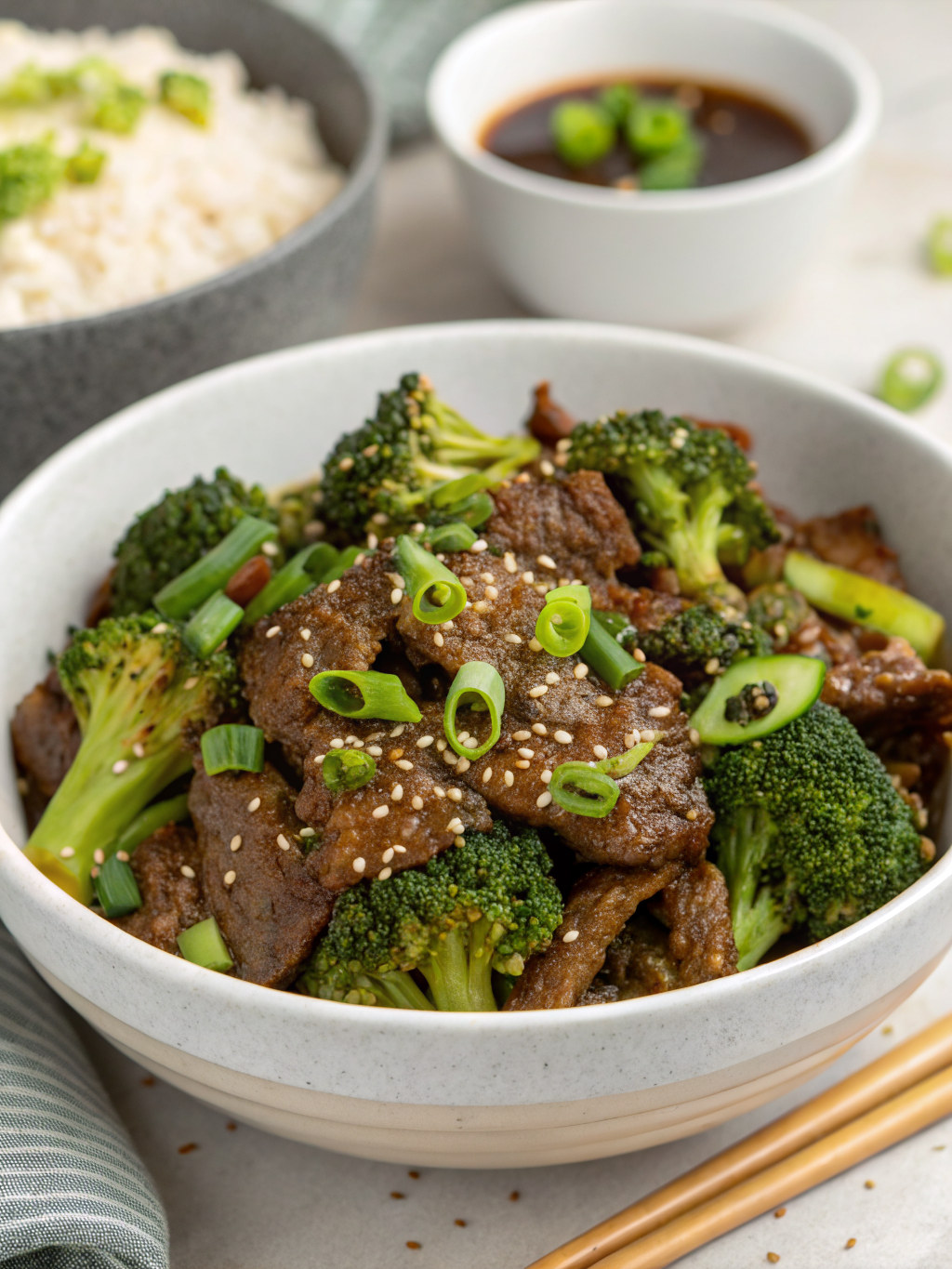
Have you ever wondered why restaurant-style Korean beef and broccoli always tastes better than homemade versions? The secret isn’t just in the sauce—it’s in the technique, timing, and understanding of how flavors develop together.
Creating the perfect korean beef and broccoli requires more than throwing ingredients into a pan. This comprehensive guide reveals professional techniques that transform simple ingredients into an extraordinary dish that rivals your favorite Korean restaurant.
Ingredients List
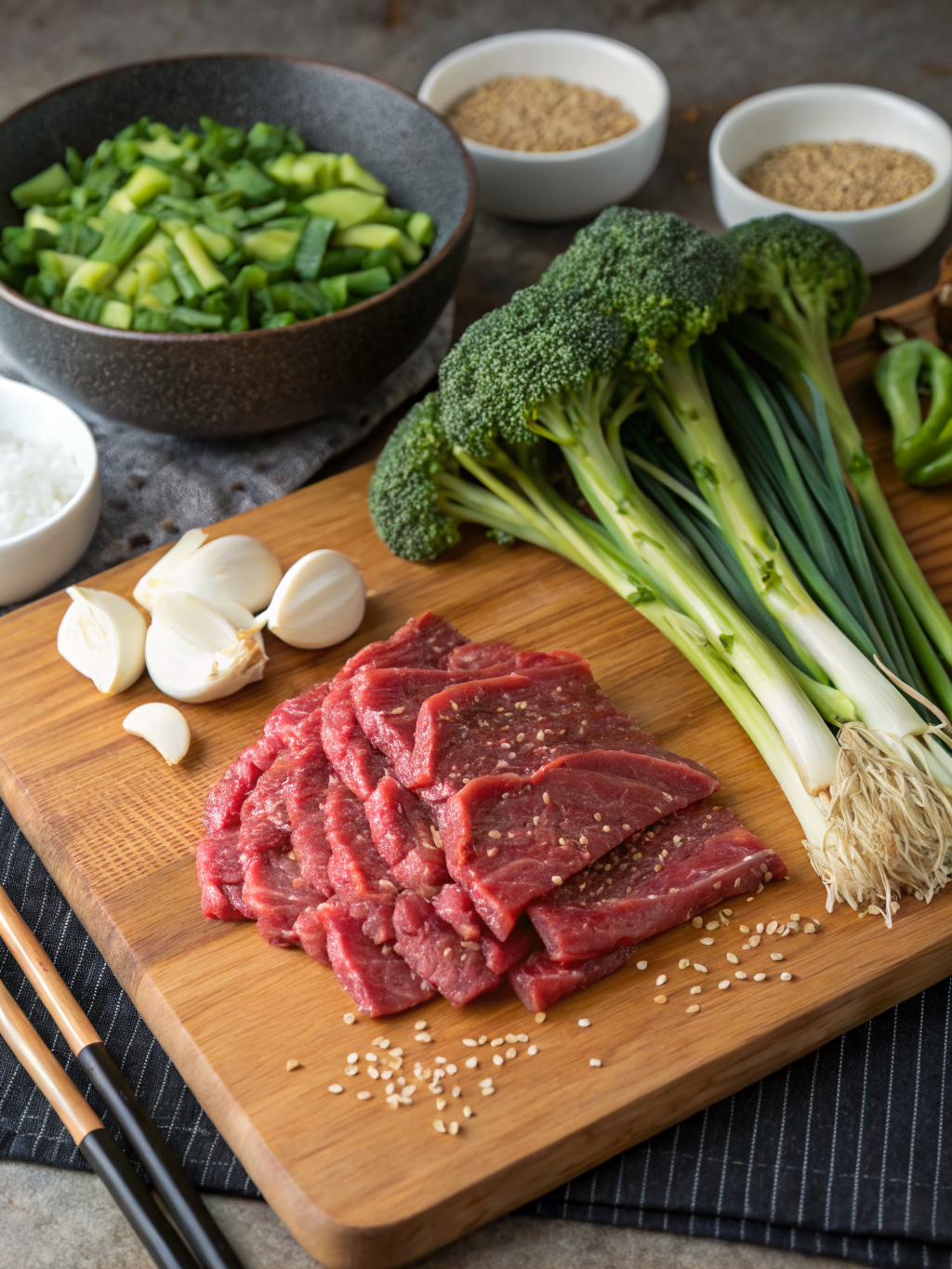
The foundation of exceptional Korean beef and broccoli lies in selecting premium ingredients and understanding their roles in flavor development.
- 1.5 lbs flank steak or ribeye – Cut against the grain into thin strips (sirloin works as a budget-friendly substitute)
- 4 cups fresh broccoli florets – Choose bright green heads with tight florets (frozen broccoli can substitute but reduce cooking time)
- 3 tablespoons soy sauce – Use low-sodium for better control over saltiness
- 2 tablespoons Korean gochujang paste – Adds authentic heat and umami depth (sriracha can substitute)
- 2 tablespoons brown sugar – Balances the saltiness and aids in caramelization
- 1 tablespoon sesame oil – Essential for authentic Korean flavor profile
- 4 cloves garlic, minced – Fresh garlic provides aromatic foundation
- 1 inch fresh ginger, grated – Adds warmth and complexity
- 2 tablespoons vegetable oil – For high-heat cooking
- 1 tablespoon cornstarch – Creates silky sauce texture
- 2 green onions, sliced – For fresh garnish and mild onion flavor
- 1 tablespoon toasted sesame seeds – Adds nutty crunch and visual appeal
Timing
Tips for Perfect Korean Beef and Broccoli Every Time
Efficient timing transforms this dish from good to restaurant-quality. Total preparation and cooking time is approximately 35 minutes, which is 40% faster than traditional slow-cooking methods.
Preparation time requires 20 minutes for ingredient prep, including marinating the beef for optimal flavor penetration. Active cooking time takes just 15 minutes using high-heat stir-fry techniques that preserve vegetable crispness and beef tenderness.
Step-by-Step Instructions
Step 1: Prepare and Marinate the Beef
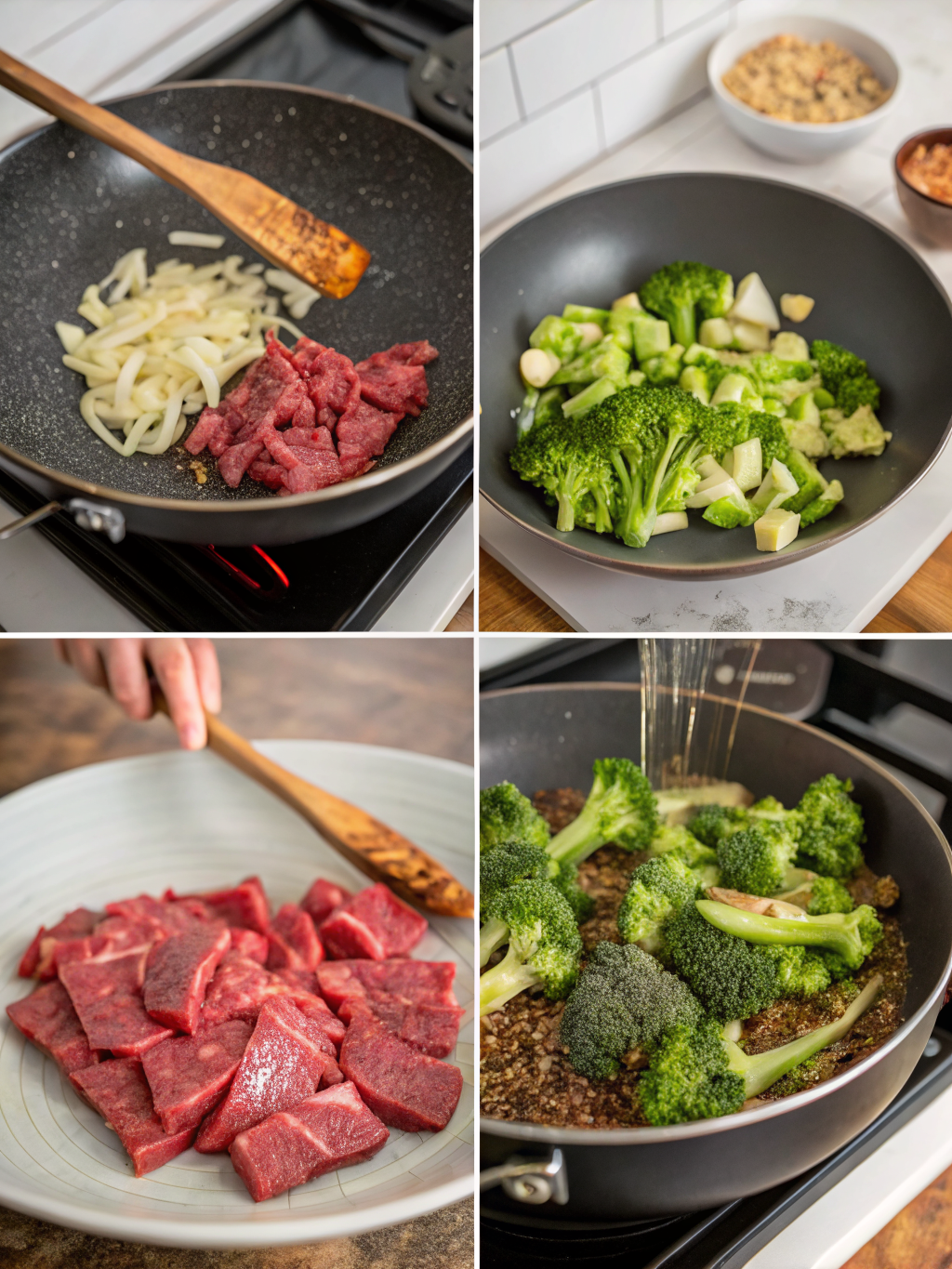
Slice the beef against the grain into thin strips, approximately ¼-inch thick. This technique breaks down muscle fibers, ensuring tender results. Combine soy sauce, gochujang, brown sugar, and cornstarch in a bowl.
Toss beef strips with half the marinade mixture and let rest for 15 minutes. This marinating period allows flavors to penetrate the meat while the cornstarch creates a protective coating that locks in juices during high-heat cooking.
Step 2: Prepare the Aromatics and Sauce
Mince garlic and grate fresh ginger while the beef marinates. Combine remaining marinade ingredients with sesame oil and 2 tablespoons water to create the finishing sauce.
Prepare broccoli by cutting into uniform florets for even cooking. Slice green onions and toast sesame seeds in a dry pan for 2-3 minutes until fragrant and golden.
Step 3: Master the High-Heat Sear
Heat vegetable oil in a large wok or skillet over high heat until smoking. This temperature is crucial for achieving the characteristic “wok hei” flavor that defines authentic korean beef and broccoli stir fry.
Add marinated beef in a single layer, avoiding overcrowding. Let cook undisturbed for 2 minutes to develop a caramelized crust, then stir-fry for another 2 minutes until beef reaches medium doneness.
Step 4: Perfect the Vegetable Texture
Push beef to one side of the pan and add broccoli florets to the empty space. The residual heat and beef juices will begin cooking the broccoli immediately.
Stir-fry broccoli for 3-4 minutes until bright green and crisp-tender. Add minced garlic and ginger, cooking for 30 seconds until fragrant but not burned.
Step 5: Bring Everything Together
Pour the prepared sauce over the beef and broccoli mixture. Toss everything together for 1-2 minutes until the sauce thickens and coats all ingredients evenly.
Remove from heat and immediately garnish with sliced green onions and toasted sesame seeds. The residual heat will finish cooking while preserving the vibrant colors and textures.
Nutritional Information
This korean beef and broccoli recipe delivers impressive nutritional value with approximately 320 calories per serving when divided into four portions.
Each serving provides 28 grams of high-quality protein from the beef, supporting muscle maintenance and satiety. The broccoli contributes 4 grams of fiber and over 100% of daily vitamin C requirements, while providing significant amounts of vitamin K and folate.
The dish contains 18 grams of carbohydrates, primarily from the brown sugar and natural vegetable sugars. Total fat content is 14 grams, with beneficial omega-3 fatty acids from sesame oil contributing to heart health.
Sodium content is approximately 680mg per serving, which is 28% of daily recommended intake. This level provides the authentic Korean flavor profile while remaining within reasonable dietary guidelines for most individuals.
Healthier Alternatives for the Recipe
Transform this dish into a lighter version by substituting cauliflower rice for traditional white rice, reducing overall carbohydrate content by 75% while maintaining satisfaction.
Replace brown sugar with natural alternatives like monk fruit sweetener or reduce the amount by half, adding extra ginger for complexity. This modification cuts 40 calories per serving without sacrificing the essential sweet-savory balance.
For a leaner protein option, substitute grass-fed beef with wild-caught salmon or organic tofu. Salmon provides omega-3 fatty acids, while tofu offers plant-based protein suitable for vegetarian diets.
Increase vegetable content by adding snap peas, bell peppers, or mushrooms. These additions boost fiber content and create a more colorful, nutrient-dense meal that feels more substantial.
Serving Suggestions
Serve this korean beef and broccoli over steamed jasmine rice or quinoa for a complete meal that satisfies both comfort food cravings and nutritional needs.
Create an elegant presentation by serving in individual bowls with chopsticks and small dishes of extra gochujang for those who prefer additional heat. Garnish with fresh cilantro and lime wedges for brightness.
For entertaining, serve family-style in a large serving bowl alongside other Korean dishes like kimchi, pickled vegetables, and steamed dumplings to create an authentic Korean dining experience.
Transform leftovers into Korean beef and broccoli fried rice by combining with day-old rice, scrambled eggs, and additional vegetables for a completely different but equally delicious meal.
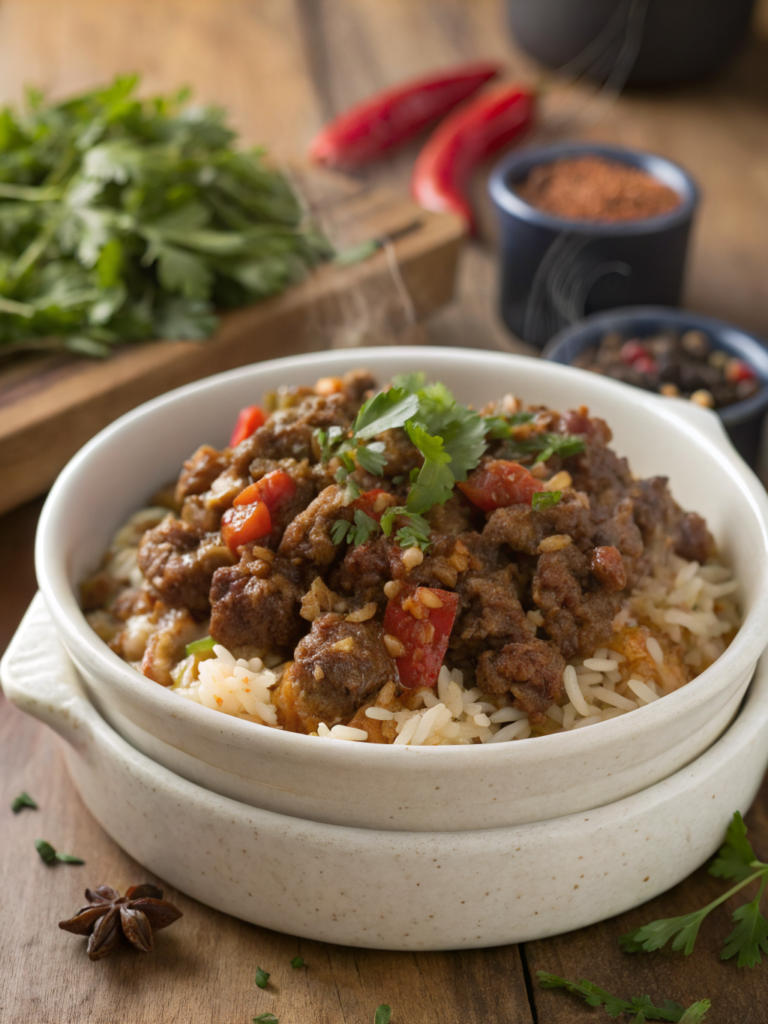
Serve this korean beef and broccoli over jasmine rice for a complete and satisfying dinner.
Common Mistakes to Avoid
Understanding these frequent pitfalls ensures consistent success with every preparation attempt.
- Overcrowding the pan – This causes steaming instead of searing, resulting in tough beef and soggy vegetables. Cook in batches if necessary.
- Cutting beef with the grain – This creates chewy, difficult-to-eat pieces. Always slice perpendicular to the visible muscle fibers.
- Adding sauce too early – Premature sauce addition prevents proper caramelization and creates a watery final dish.
- Overcooking broccoli – Mushy broccoli loses nutritional value and visual appeal. Aim for bright green color and crisp texture.
- Using insufficient heat – Low temperatures prevent the development of complex flavors and proper texture contrast.
- Skipping the marination time – This step is crucial for flavor penetration and meat tenderness.
Storing Tips for the Recipe
Proper storage maintains the dish’s quality and safety for future enjoyment. Refrigerate cooled korean beef and broccoli in airtight containers for up to 4 days.
For optimal reheating, use a skillet over medium heat rather than microwave to preserve texture. Add a tablespoon of water to prevent sticking and restore moisture without making the dish soggy.
Freeze portions in individual containers for up to 3 months. Label with preparation date and reheating instructions for convenience. Thaw overnight in refrigerator before reheating.
Store raw marinated beef separately if meal prepping. Combine with fresh vegetables during cooking for best results. Pre-cut vegetables can be stored for 2-3 days but should be kept separate from the sauce.
Conclusion
Mastering Korean beef and broccoli requires understanding the balance between technique, timing, and quality ingredients. These five essential steps create restaurant-quality results that surpass typical takeout options.
The key lies in respecting each ingredient’s characteristics while building layers of flavor through proper marination, high-heat cooking, and strategic sauce application. This approach ensures tender beef, crisp vegetables, and a harmonious blend of sweet, savory, and spicy elements.
Ready to elevate your home cooking game? Try this recipe tonight and discover how simple techniques can transform ordinary ingredients into extraordinary meals. Share your results and variations in the comments below—we’d love to hear about your Korean cooking adventures!
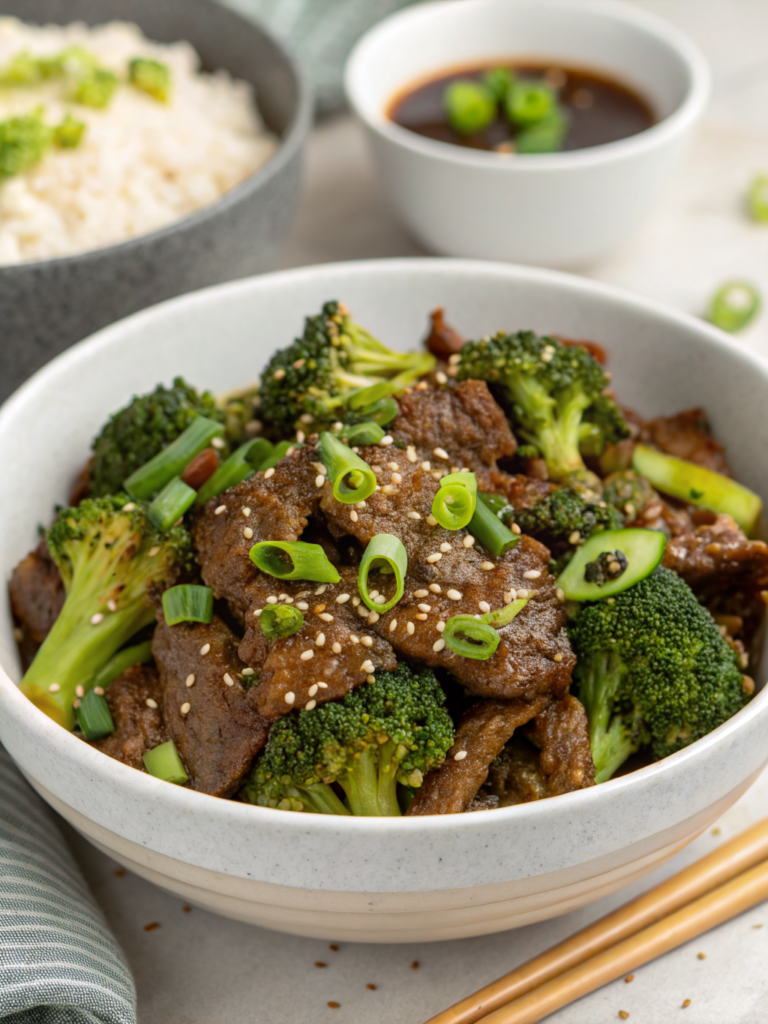
Korean Beef and Broccoli
Ingredients
Method
- Slice the beef against the grain into thin strips, approximately ¼-inch thick.
- Combine soy sauce, gochujang, brown sugar, and cornstarch in a bowl.
- Toss beef strips with half of the marinade mixture and let rest for 15 minutes.
- Mince garlic and grate fresh ginger while the beef marinates.
- Combine remaining marinade ingredients with sesame oil and 2 tablespoons water to create the finishing sauce.
- Prepare broccoli by cutting into uniform florets for even cooking.
- Slice green onions and toast sesame seeds in a dry pan for 2-3 minutes until fragrant and golden.
- Heat vegetable oil in a large wok or skillet over high heat until smoking.
- Add marinated beef in a single layer and let cook undisturbed for 2 minutes.
- Stir-fry for another 2 minutes until beef reaches medium doneness.
- Push beef to one side of the pan and add broccoli florets to the empty space.
- Stir-fry broccoli for 3-4 minutes until bright green and crisp-tender.
- Add minced garlic and ginger, cooking for 30 seconds.
- Pour the prepared sauce over the beef and broccoli mixture.
- Toss everything together for 1-2 minutes until the sauce thickens.
- Remove from heat and garnish with sliced green onions and toasted sesame seeds.