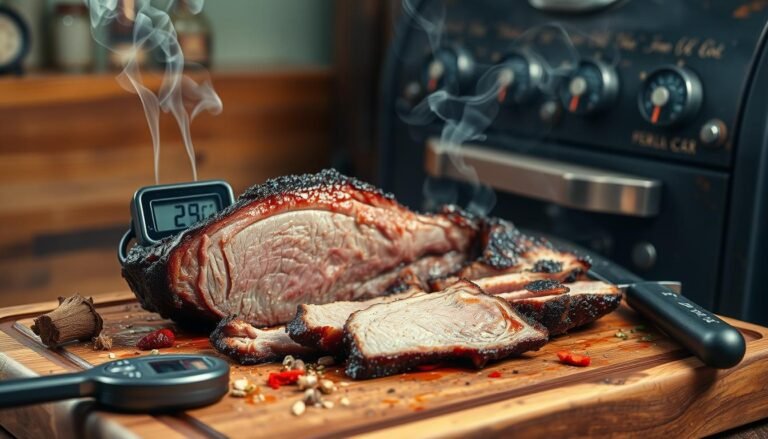
How to Make the Best Beef Gravy Recipe in 5 Steps

The Ultimate Homemade Beef Gravy Recipe: Rich, Savory, and Foolproof
Introduction
There’s nothing quite like the rich, savory goodness of a perfectly made beef gravy recipe to elevate your Sunday roast or weeknight dinner. That silky, flavorful sauce can transform even the simplest meal into something special. While store-bought options exist, learning how to make a beef gravy recipe from scratch is a culinary skill worth mastering. The depth of flavor, the perfect consistency, and the satisfaction of creating something delicious from simple ingredients makes homemade gravy infinitely superior to anything that comes from a packet or jar. In this comprehensive guide, I’ll share my tried-and-true method for creating the most delicious beef gravy you’ve ever tasted, along with expert tips to ensure success every time.

Why You’ll Love This Recipe
- Rich, Complex Flavor: This gravy captures the essence of beef with a depth of flavor that store-bought versions simply can’t match
- Versatile: Perfect for pouring over roast beef, mashed potatoes, Yorkshire puddings, or even using as a base for poutine or hot beef sandwiches
- Customizable: Easily adjust the thickness, seasoning, and flavor profile to suit your preferences
- No Artificial Ingredients: Skip the preservatives, excess sodium, and artificial flavors found in packaged gravy mixes
- Budget-Friendly: Creates a gourmet-quality sauce using simple, affordable ingredients you likely already have in your pantry
Ingredients
For Basic Beef Gravy:
- 2 cups beef drippings (from roast) or beef stock/broth
- 1/4 cup unsalted butter (if not using drippings)
- 1/4 cup all-purpose flour
- 1/2 teaspoon kosher salt (adjust to taste)
- 1/4 teaspoon freshly ground black pepper
- 1 teaspoon Worcestershire sauce (optional)
Optional Flavor Enhancers:
- 1 small onion, finely chopped
- 2 cloves garlic, minced
- 1 tablespoon tomato paste
- 1/4 cup dry red wine
- 1 teaspoon fresh thyme leaves (or 1/4 teaspoon dried)
- 1 bay leaf
- 1-2 tablespoons heavy cream (for richness)
- 1 beef bouillon cube (if using store-bought stock)
Substitutions:
- Gluten-Free Option: Replace all-purpose flour with cornstarch (2 tablespoons mixed with cold water)
- Dairy-Free Option: Use olive oil instead of butter
- Low-Sodium Option: Use unsalted beef stock and adjust salt to taste
Kitchen Tools Needed
- Medium saucepan or skillet (preferably with a heavy bottom)
- Whisk
- Measuring cups and spoons
- Fine mesh strainer (optional, for ultra-smooth gravy)
- Fat separator (optional, but helpful when using pan drippings)
- Wooden spoon or silicone spatula
- Heat-resistant container for storage
Step-by-Step Instructions
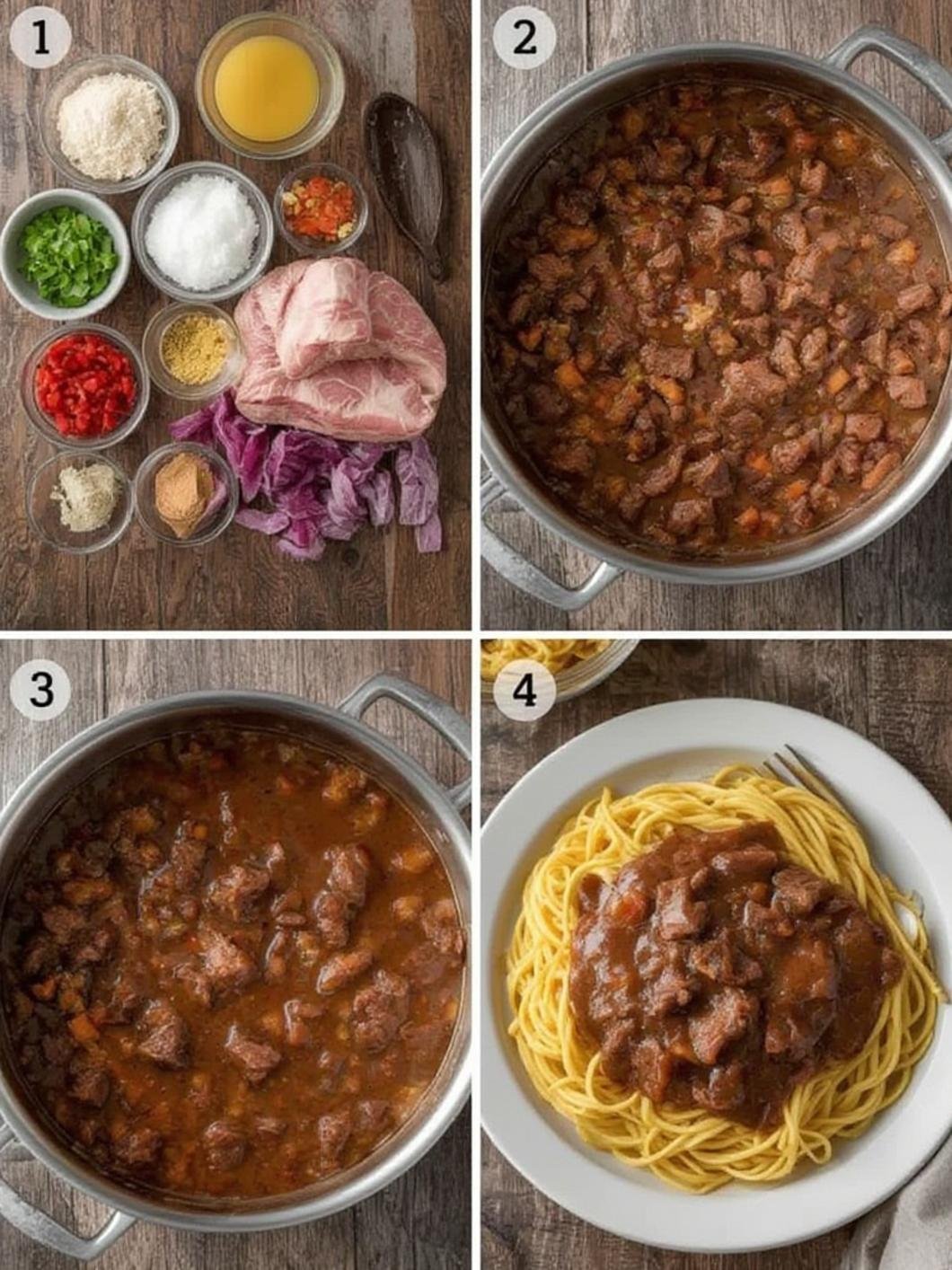
1. Prepare Your Base
If using pan drippings from a roast, pour them into a fat separator or bowl, allowing the fat to rise to the top. Skim off about 1/4 cup of the fat to use for your roux. If you don’t have drippings, melt 1/4 cup butter in your saucepan over medium heat.
2. Create the Roux
Add the flour to your fat (drippings or butter) in the saucepan over medium heat. Whisk continuously until the mixture forms a smooth paste (roux). Continue cooking and stirring for about 2-3 minutes until it turns a light golden brown. This step is crucial for a beef gravy recipe that has depth and no raw flour taste.
3. Add Liquid Gradually
Slowly pour in your beef drippings or stock while whisking vigorously to prevent lumps from forming. Start with about 1/2 cup, whisk until smooth, then continue adding the remaining liquid gradually.
4. Season and Enhance
Add salt, pepper, and Worcestershire sauce. If using optional ingredients like wine, onions, or herbs, add them now. For the onion and garlic option, you should have sautéed these in the fat before adding the flour in step 2.
5. Simmer to Perfect Consistency
Bring the mixture to a gentle simmer (not a full boil) and cook for about 5-10 minutes, stirring occasionally. The gravy will thicken as it cooks. For a perfectly authentic beef gravy recipe from scratch, patience is key during this simmering stage as it allows the flavors to develop fully.
6. Adjust Consistency
If your gravy becomes too thick, add more beef stock or water, a tablespoon at a time. If it’s too thin, continue simmering to reduce, or create a slurry with 1 teaspoon cornstarch mixed with 1 tablespoon cold water and whisk it in.
7. Final Adjustments
Taste and adjust seasonings as needed. For extra richness, stir in a splash of heavy cream. Remove bay leaf or any herb stems before serving.
8. Strain (Optional)
For the smoothest possible gravy, pour through a fine-mesh strainer into a serving container.
Pro Cooking Tips
For Perfect Consistency
- No Lumps: The key to lump-free gravy is adding liquid gradually while whisking constantly. If lumps do form, strain the gravy or blend with an immersion blender.
- Proper Thickness: A perfect gravy should coat the back of a spoon but still flow smoothly. Remember that gravy will thicken slightly as it cools.
- Patience with the Roux: Cook your roux until it smells nutty and reaches a light brown color. This develops flavor and ensures the flour taste cooks out.
For Maximum Flavor
- Fond is Gold: When making gravy from a roast, don’t waste the browned bits (fond) stuck to the roasting pan. Deglaze with stock or wine and incorporate this liquid into your gravy.
- Umami Boosters: For deeper flavor, add a splash of soy sauce, a dab of miso paste, or a teaspoon of mushroom powder.
- Fresh Herbs: Tie fresh thyme, rosemary, and a bay leaf with kitchen twine to make a bouquet garni that can simmer in the gravy and be easily removed before serving.
Recipe Variations
Red Wine Beef Gravy
Replace 1/4 cup of the beef stock with a good quality dry red wine (like Cabernet Sauvignon or Merlot). Add the wine after the roux stage and let it reduce for 2-3 minutes before adding the remaining liquid. This creates a more complex, sophisticated flavor profile perfect for holiday meals.
Mushroom Beef Gravy
Sauté 8 ounces of finely chopped mushrooms (cremini or button) in 1 tablespoon of butter until golden brown and all liquid has evaporated. Add this to your basic gravy recipe for an earthy, umami-rich version that pairs beautifully with steak or roast beef.
Onion Beef Gravy
Slowly caramelize 2 medium onions, thinly sliced, in 2 tablespoons of butter over low heat for 25-30 minutes until deeply golden. Incorporate these sweet, caramelized onions into your gravy for a French onion soup-inspired variation.
Lower-Calorie Option
Use the fat-separating technique to remove most of the fat from your drippings. Replace butter with olive oil and use cornstarch instead of flour for a slightly lighter version that still delivers on flavor.
Serving Suggestions
Perfect Pairings
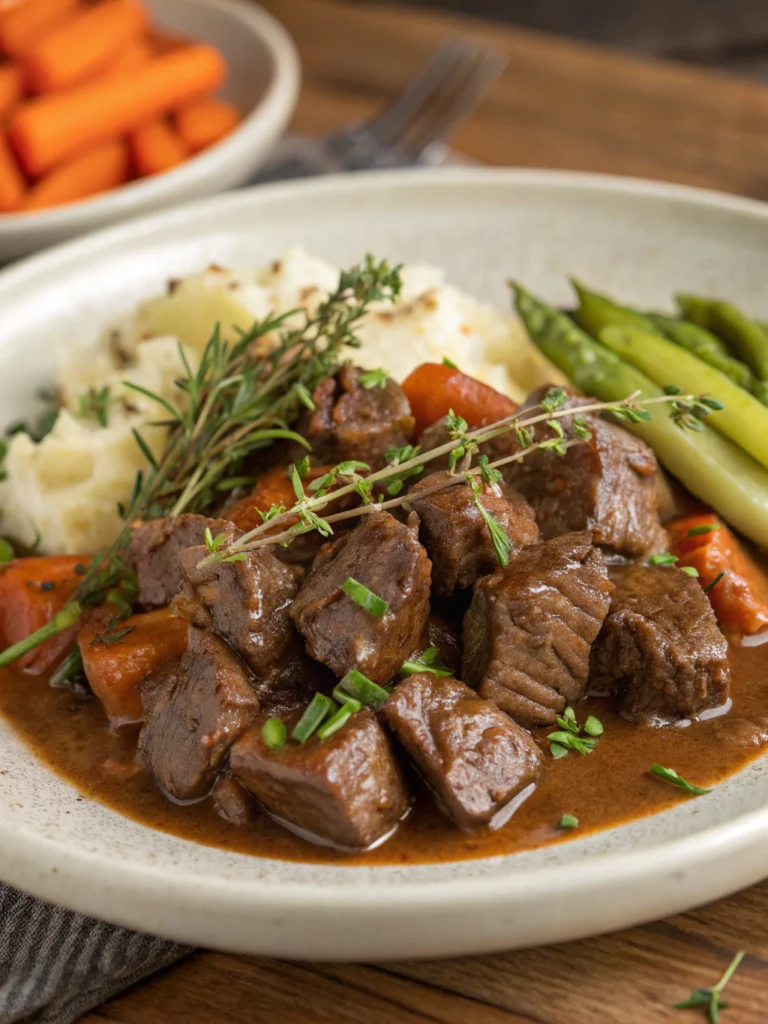
- Classic Comfort: Pour over mashed potatoes with slices of roast beef or pot roast
- Sunday Dinner: Serve with Yorkshire puddings, roasted vegetables, and prime rib
- Diner Classic: Use for hot beef sandwiches with white bread and a side of fries
- Canadian Favorite: Pour over French fries and cheese curds for an authentic poutine
- Southern Style: Ladle over buttermilk biscuits for a hearty breakfast
Complementary Side Dishes
- Creamy mashed potatoes or cauliflower mash
- Roasted Brussels sprouts with bacon
- Glazed carrots with thyme
- Green beans almondine
- Buttery dinner rolls
Drink Pairings
- Wine: A bold red like Cabernet Sauvignon or Malbec
- Beer: A rich porter or amber ale
- Non-Alcoholic: Unsweetened iced tea or sparkling water with lemon
Storage & Reheating Tips
Storage
- Refrigeration: Allow gravy to cool completely before transferring to an airtight container. It will keep in the refrigerator for up to 4 days.
- Freezing: Pour cooled gravy into ice cube trays or small containers. Once frozen, transfer to freezer bags. Frozen gravy will maintain quality for up to 3 months.
Reheating
- Stovetop: The preferred method. Place refrigerated gravy in a saucepan over low heat, whisking occasionally until hot and smooth. Add a splash of beef stock if needed to adjust consistency.
- Microwave: Heat in 30-second intervals at 70% power, stirring between each interval to prevent hot spots.
- Revitalizing: If your gravy has thickened too much in storage, whisk in a little beef stock, water, or milk while reheating to reach desired consistency.
Nutrition & Health Benefits
- Calories: Approximately 60-100 calories per 1/4 cup serving (varies based on ingredients used)
- Protein: Contains moderate protein from beef drippings/stock
- Iron: Good source of dietary iron, especially when made with beef drippings
- B Vitamins: Contains several B vitamins from beef stock
- Considerations: Traditional gravy can be high in sodium and saturated fat. For a healthier version, use reduced-sodium broth, skim excess fat, and use olive oil instead of butter.
Common Mistakes to Avoid
Lumpy Gravy
Problem: Adding liquid too quickly to the roux.
Solution: Add liquid gradually while whisking constantly. If lumps form, strain the gravy or use an immersion blender.
Greasy Gravy
Problem: Too much fat in proportion to flour.
Solution: Use a fat separator for drippings or skim excess fat. Maintain the 1:1 ratio of fat to flour by volume.
Bland Flavor
Problem: Under-seasoning or not developing the roux properly.
Solution: Taste and adjust seasonings as you cook. Consider adding umami boosters like Worcestershire sauce, soy sauce, or properly deglazed fond.
Gravy Too Thick/Thin
Problem: Incorrect ratio of liquid to roux.
Solution: For thick gravy, add more liquid. For thin gravy, either reduce longer or create a small amount of additional roux to add in.
Flour Taste
Problem: Not cooking the roux long enough.
Solution: Always cook your roux until it’s at least light golden and smells nutty, about 2-3 minutes.
Internal Linking Suggestions
- Perfect Roast Beef Recipe – Learn how to prepare the ideal roast that will generate flavorful drippings for this gravy
- Homemade Mashed Potatoes – The perfect companion to serve with your beef gravy
- Yorkshire Pudding Recipe – A traditional British side dish that pairs beautifully with beef and gravy
Conclusion
Mastering a beef gravy recipe is a culinary skill that will elevate countless meals throughout your life. The rich, complex flavors and silky texture of homemade gravy simply cannot be matched by store-bought alternatives.
With the techniques and tips shared in this guide, you can confidently create a beef gravy recipe from scratch that will impress family and friends alike. Whether you’re preparing a holiday feast, Sunday dinner, or simply looking to transform leftover roast beef into something special, this versatile sauce is your secret weapon. Remember that practice makes perfect—each time you make gravy, you’ll develop a better intuition for consistency, seasoning, and timing. So don’t be discouraged if your first attempt isn’t perfect; gravy-making is both a science and an art that rewards persistence. Happy cooking!
FAQs
Can I make beef gravy without drippings?
Yes, you can make excellent beef gravy using store-bought beef stock or broth. For enhanced flavor, use a high-quality stock and consider adding a beef bouillon cube, Worcestershire sauce, and a touch of soy sauce to add depth.
How do I fix gravy that’s too salty?
If your gravy ends up too salty, add unsalted beef stock, a raw potato chunk (remove before serving), or a small amount of cream to help balance the saltiness. You can also increase the overall volume with additional unsalted ingredients.
Can I make beef gravy ahead of time for a large gathering?
Absolutely! Gravy can be made 1-2 days ahead and refrigerated. It often tastes even better the next day as flavors continue to develop. Reheat gently on the stovetop, adding a splash of stock if needed to adjust consistency.
Is there a way to make this recipe gluten-free?
Yes, simply substitute the all-purpose flour with cornstarch (use about half the amount), gluten-free flour blend, or arrowroot powder. Make sure your beef stock is also gluten-free, as some commercial brands may contain wheat products.
How can I rescue lumpy gravy?
If you end up with lumps despite your best efforts, strain the gravy through a fine-mesh sieve, use an immersion blender to smooth it out, or process it in a standard blender (being careful with hot liquids). Next time, remember to whisk continuously while slowly adding liquid.