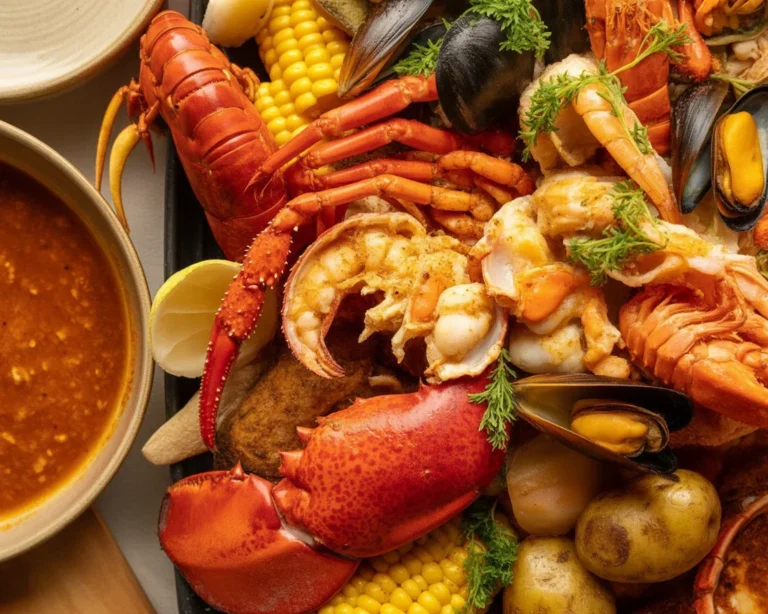
Delicious Homemade Seafood Soup 5 Easy Recipes for Cozy Comfort Food
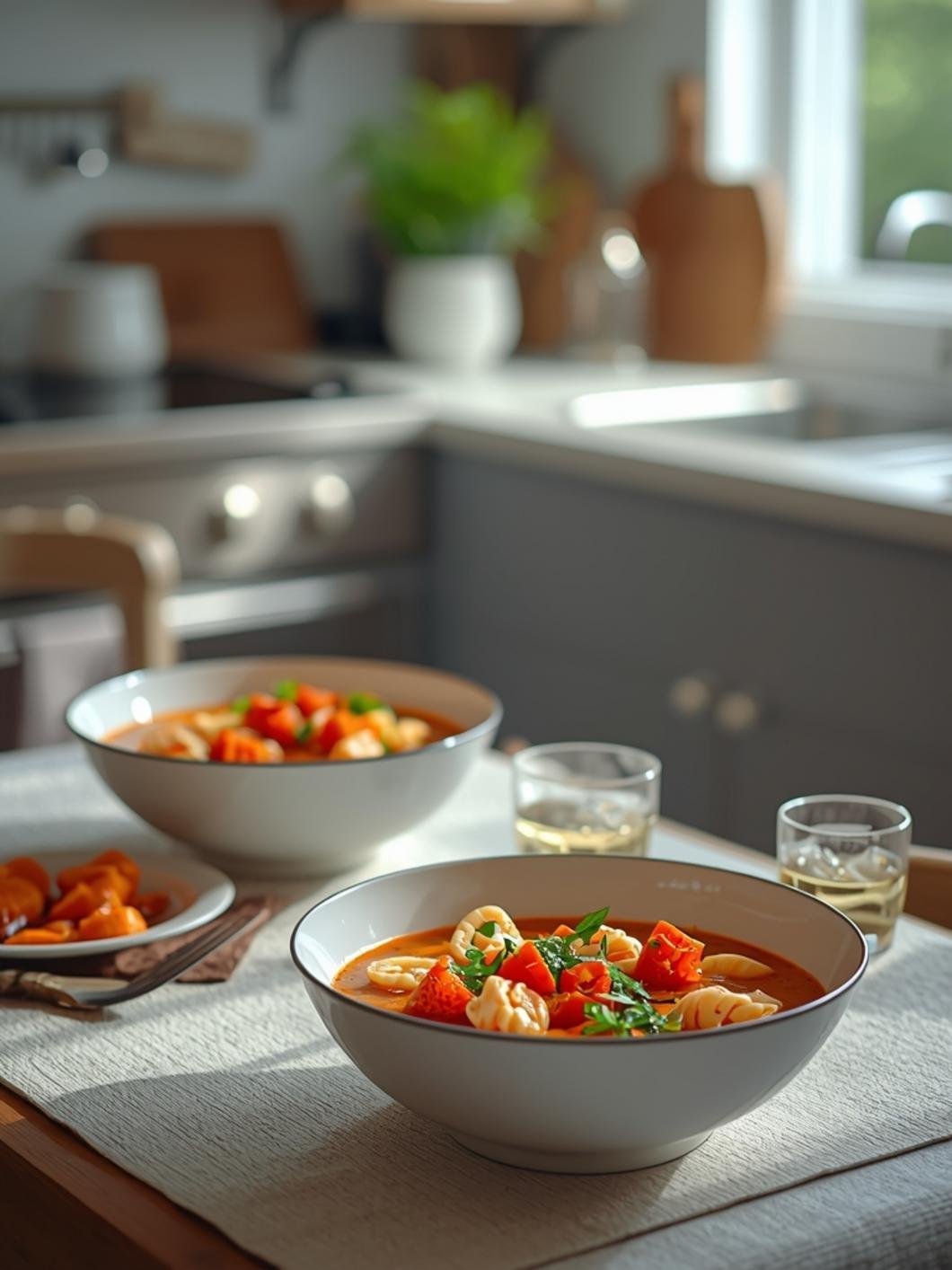
When the weather turns chilly, nothing warms the soul quite like a steaming bowl of homemade soup. seafood soup recipes offer the perfect combination of comfort, nutrition, and impressive flavors that will delight your family and guests alike. From rich and creamy shrimp chowder to zesty cioppino, these ocean-inspired dishes transform simple ingredients into extraordinary meals. Today, I’ll guide you through creating five spectacular seafood soups that will elevate your culinary repertoire and provide comfort during any season.
Why You’ll Love These Recipes
• Delicious Flavors: Each recipe balances the natural sweetness of seafood with carefully selected herbs and spices.
• Easy Preparation: Despite their impressive taste profiles, these soups require only basic cooking techniques anyone can master.
• Versatile Options: Easily customize each recipe based on seafood availability and personal preferences.
• Perfect for Entertaining: These soups create a sophisticated dining experience that will impress even your most discerning guests.
• Nutritious Meals: Packed with protein, omega-3 fatty acids, and essential minerals for a wholesome, satisfying dinner.
Introduction
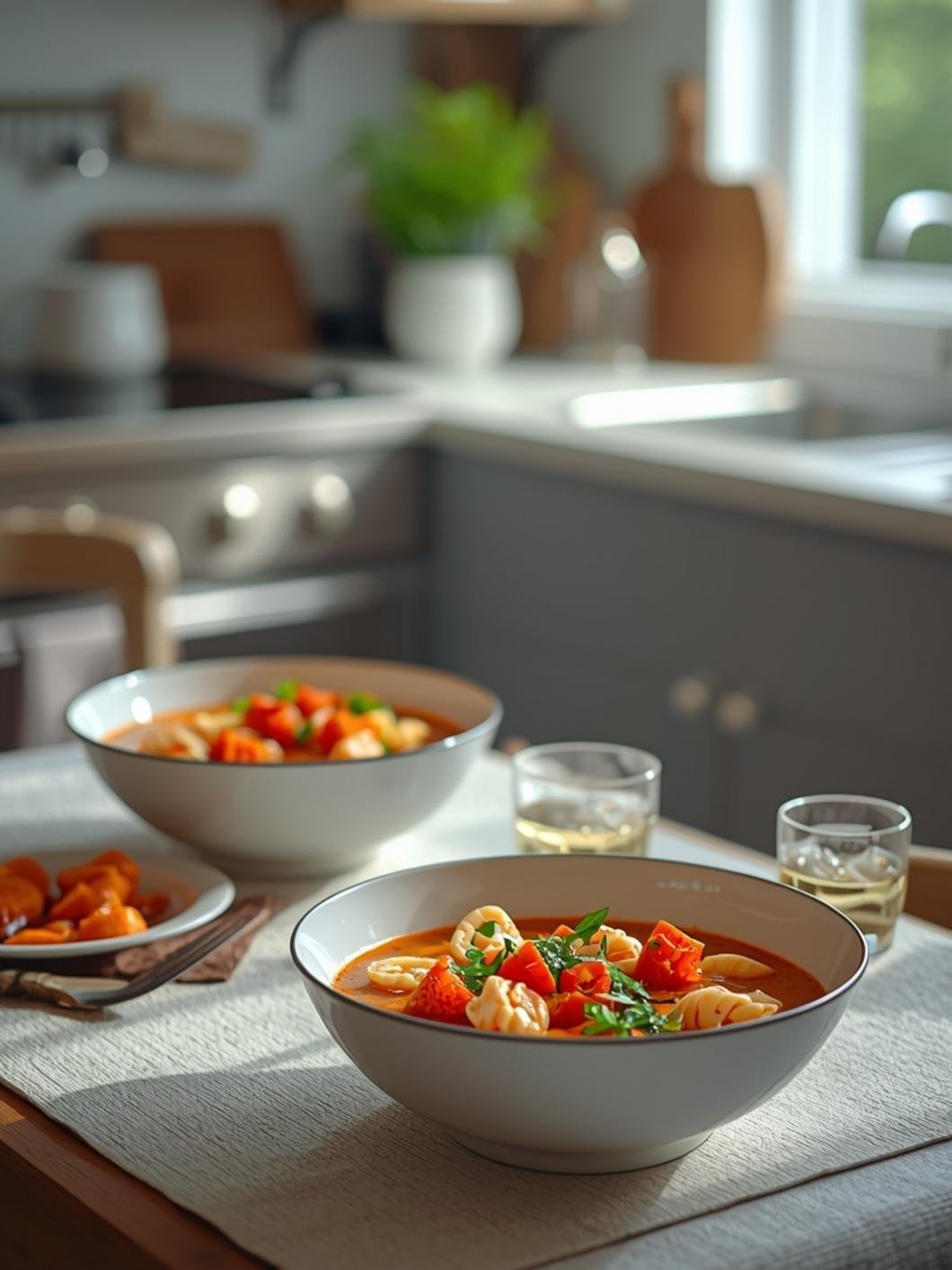
Ingredients
Classic Seafood Chowder
• 1 pound shrimp, peeled and deveined
• 1/2 pound white fish (cod or halibut), cut into 1-inch cubes
• 1/2 pound bay scallops
• 4 slices bacon, chopped
• 1 medium onion, finely diced
• 2 celery stalks, finely diced
• 1 medium carrot, finely diced
• 3 cloves garlic, minced
• 2 tablespoons all-purpose flour
• 2 cups seafood stock
• 2 cups heavy cream
• 2 medium potatoes, peeled and diced
• 1 bay leaf
• 1 teaspoon dried thyme
• 1/4 teaspoon cayenne pepper
• Salt and freshly ground black pepper to taste
• 2 tablespoons fresh parsley, chopped
Mediterranean Seafood Soup
• 1 pound mixed seafood (shrimp, mussels, clams, calamari)
• 2 tablespoons olive oil
• 1 large onion, diced
• 3 cloves garlic, minced
• 1 red bell pepper, diced
• 1 fennel bulb, thinly sliced
• 1 can (14 oz) diced tomatoes
• 4 cups fish stock
• 1/2 cup dry white wine
• 1 teaspoon saffron threads
• 1 teaspoon paprika
• 1/2 teaspoon red pepper flakes
• 2 bay leaves
• 1 tablespoon fresh thyme leaves
• Salt and pepper to taste
• Fresh lemon wedges for serving
Kitchen Tools Needed
• Large heavy-bottomed pot or Dutch oven
• Sharp chef’s knife
• Cutting board
• Wooden spoon
• Measuring cups and spoons
• Ladle
• Fine mesh strainer (for stocks)
• Blender or immersion blender (for certain recipes)
• Large serving bowls
Step-by-Step Instructions for Classic Shrimp Chowder
1. Prepare the base: Cook chopped bacon in a large pot over medium heat until crispy, about 5-7 minutes.
2. Create the aromatic foundation: Add diced onion, celery, and carrot to the bacon fat and cook until vegetables soften, about 5-6 minutes.
3. Add flavor enhancers: Stir in minced garlic and cook for 30 seconds until fragrant.
4. Develop richness: Sprinkle flour over the vegetables and stir continuously for 1-2 minutes to create a light roux.
5. Build the liquid base: Gradually pour in seafood stock while stirring constantly to prevent lumps from forming.
6. Add creaminess: Pour in heavy cream and bring the mixture to a gentle simmer.
7. Incorporate starches: Add diced potatoes, bay leaf, and thyme to the pot.
8. Cook until tender: Simmer for 15-20 minutes until potatoes are fork-tender, stirring occasionally.
9. Introduce seafood: Add white fish pieces and cook for 3 minutes, then add shrimp and scallops.
10. Finish cooking: Simmer for an additional 3-5 minutes until all soup seafood recipes components are perfectly cooked and the shrimp and corn chowder has thickened to your desired consistency.
11. Season to perfection: Remove bay leaf and adjust salt, pepper, and cayenne to taste.
12. Garnish and serve: Ladle the hot chowder into bowls and sprinkle with fresh parsley.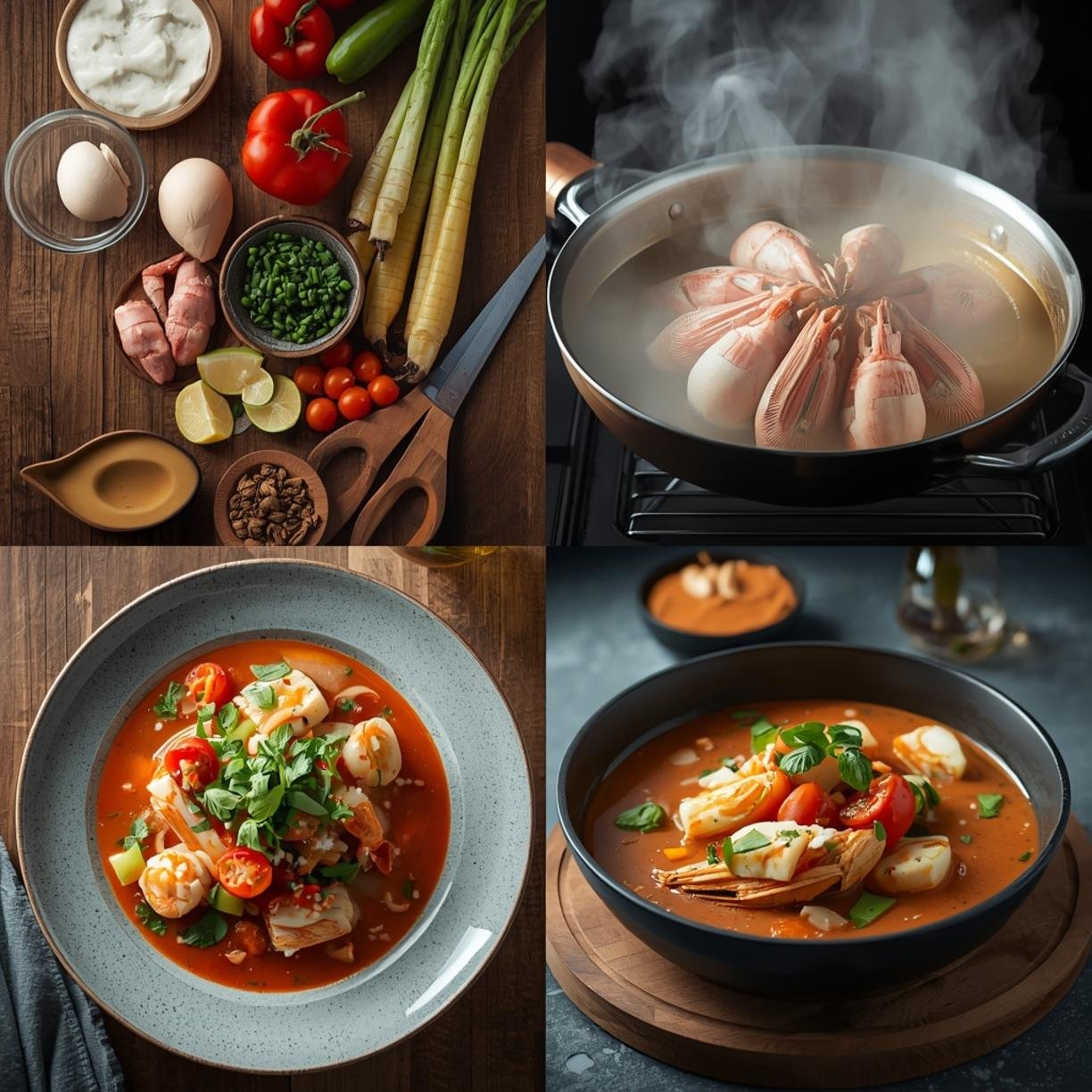
Pro Cooking Tips
• Prepare seafood stock: Make your own rich seafood stock by simmering shrimp shells, fish bones, and vegetable scraps for about 45 minutes.
• Mind cooking times: Add seafood in order of cooking duration—firm white fish first, followed by shrimp, with delicate shellfish last to prevent overcooking.
• Taste as you cook: Season gradually throughout the cooking process rather than all at once at the end.
• Enhance flavor depth: Deglaze your pot with white wine after sautéing vegetables to incorporate those delicious browned bits from the bottom.
• Perfect thickness: For thicker soups, create a slurry with 1 tablespoon cornstarch and 2 tablespoons cold water, then stir into simmering soup.
• Rest before serving: Allow your soup to rest for 5-10 minutes off heat before serving to let flavors meld together perfectly.
Recipe Variations
Air Fryer Seafood Soup Starter
Prepare a flavor-packed starter by air-frying shrimp and small pieces of white fish seasoned with Old Bay for 3-4 minutes at 380°F. Add these crispy morsels as a garnish on top of your finished soup for an incredible texture contrast.
Spicy Cajun Seafood Gumbo
Transform your basic seafood soup by adding andouille sausage, okra, and a dark roux. Incorporate Cajun seasoning, hot sauce, and filé powder for an authentic New Orleans experience that brings significant heat and depth.
Low-Carb Seafood Bisque
Replace potatoes with cauliflower florets and substitute heavy cream with coconut cream. Use xanthan gum as a thickener instead of flour to maintain the luxurious texture while keeping carbs to a minimum.
Serving Suggestions & Side Dishes
A perfect seafood soup deserves complementary sides that enhance the dining experience. Serve with crusty sourdough bread or garlic crostini for dipping into the flavorful broth.
For a complete meal, pair your soup with a crisp green salad dressed with a light lemon vinaigrette. The acidity will balance the richness of the soup beautifully.
For an elevated presentation, serve Mediterranean-style seafood soup in hollowed-out bread bowls. The soup will gradually infuse the bread with its flavors, creating a delightful edible vessel.
Consider offering a selection of toppings like crumbled bacon, oyster crackers, fresh herbs, or a drizzle of high-quality olive oil to allow guests to customize their bowls.
Storage & Reheating Tips
Seafood soups require careful storage to maintain food safety and quality. Store any leftover soup in an airtight container in the refrigerator for up to 2 days.
When reheating, warm the soup gently over medium-low heat until just hot. Avoid boiling, which can make seafood tough and rubbery.
For longer storage, consider freezing the soup base without the seafood. When ready to serve, thaw the base, heat to simmering, and add fresh seafood to cook just before serving.
If you plan to freeze portions with seafood included, understand that the texture may change slightly upon thawing, but the flavor will remain delicious.
Nutrition & Health Benefits
Seafood soups provide an excellent source of lean protein with the added benefit of omega-3 fatty acids, which support heart and brain health.
The combination of vegetables and herbs contributes essential vitamins, minerals, and antioxidants that boost immune function and overall wellness.
Shellfish like shrimp and scallops deliver significant amounts of vitamin B12, iodine, and selenium while remaining relatively low in calories.
Fish-based soups provide vitamin D, a nutrient many people lack in their regular diets, especially during winter months when sunlight exposure is limited.
When prepared with homemade stock rather than salt-heavy bouillon, these soups can be part of a heart-healthy eating plan with controlled sodium levels.
Common Mistakes to Avoid
Overcooking seafood: Nothing ruins a seafood soup faster than tough, rubbery shrimp or fish. Add seafood components at the end of cooking and remove from heat as soon as they’re done.
Neglecting to taste: Seasoning should be adjusted throughout the cooking process, not just at the beginning or end.
Rushing the base: A great seafood soup starts with developing flavors in the aromatics. Take your time sautéing onions, celery, and other vegetables to create a flavorful foundation.
Using low-quality ingredients: The quality of your seafood dramatically affects the final dish. Fresh is best, but good-quality frozen seafood (properly thawed) works well too.
Adding dairy too early: When making creamy soups, add dairy components after the soup has simmered and vegetables are tender to prevent curdling.
Conclusion
Mastering these seafood soup recipes will transform your home cooking and impress everyone at your table. From the rich, creamy comfort of shrimp chowder to the vibrant flavors of Mediterranean-inspired broths, these soups create memorable dining experiences for everyday meals and special occasions alike. The beauty of these recipes lies in their adaptability—customize them with locally available seafood, adjust spice levels to your preference, and make them your own signature dishes. With these techniques and tips, you’ll create restaurant-quality soups that will have everyone asking for seconds and requesting your cooking secrets.
FAQs
How do I know when seafood is perfectly cooked in soup?
Shrimp are done when they turn pink and opaque, usually in 2-3 minutes. Fish is ready when it flakes easily with a fork and appears opaque throughout. Shellfish like mussels and clams are done when their shells open fully—discard any that remain closed after cooking.
Can I use frozen seafood for these recipes?
Yes, high-quality frozen seafood works well in soups. Thaw completely in the refrigerator overnight, then pat dry before adding to your soup. Adjust cooking times slightly as frozen seafood (even when thawed) sometimes cooks faster than fresh.
What’s the best way to prepare homemade seafood stock?
Save shrimp shells, fish bones, and heads in your freezer until you have enough. Roast these parts in the oven until pink, then simmer with aromatic vegetables, herbs, and water for 30-45 minutes. Strain well and use immediately or freeze for future soup making.
How can I make my seafood soup less fishy-tasting?
Add acid components like white wine, lemon juice, or tomatoes to balance the flavor. Fresh herbs like dill, tarragon, or parsley also help neutralize overly fishy notes. Always ensure your seafood is very fresh or properly frozen to minimize strong flavors.
Are these seafood soups suitable for special diets?
Many seafood soups can be adapted for special diets. For dairy-free versions, substitute coconut milk or cashew cream for heavy cream. For gluten-free versions, use cornstarch or arrowroot powder instead of wheat flour as thickeners. Always check that your stock doesn’t contain allergens or restricted ingredients.