The Ultimate Homemade Potato Soup Recipe: Creamy, Comforting, and Simply Delicious
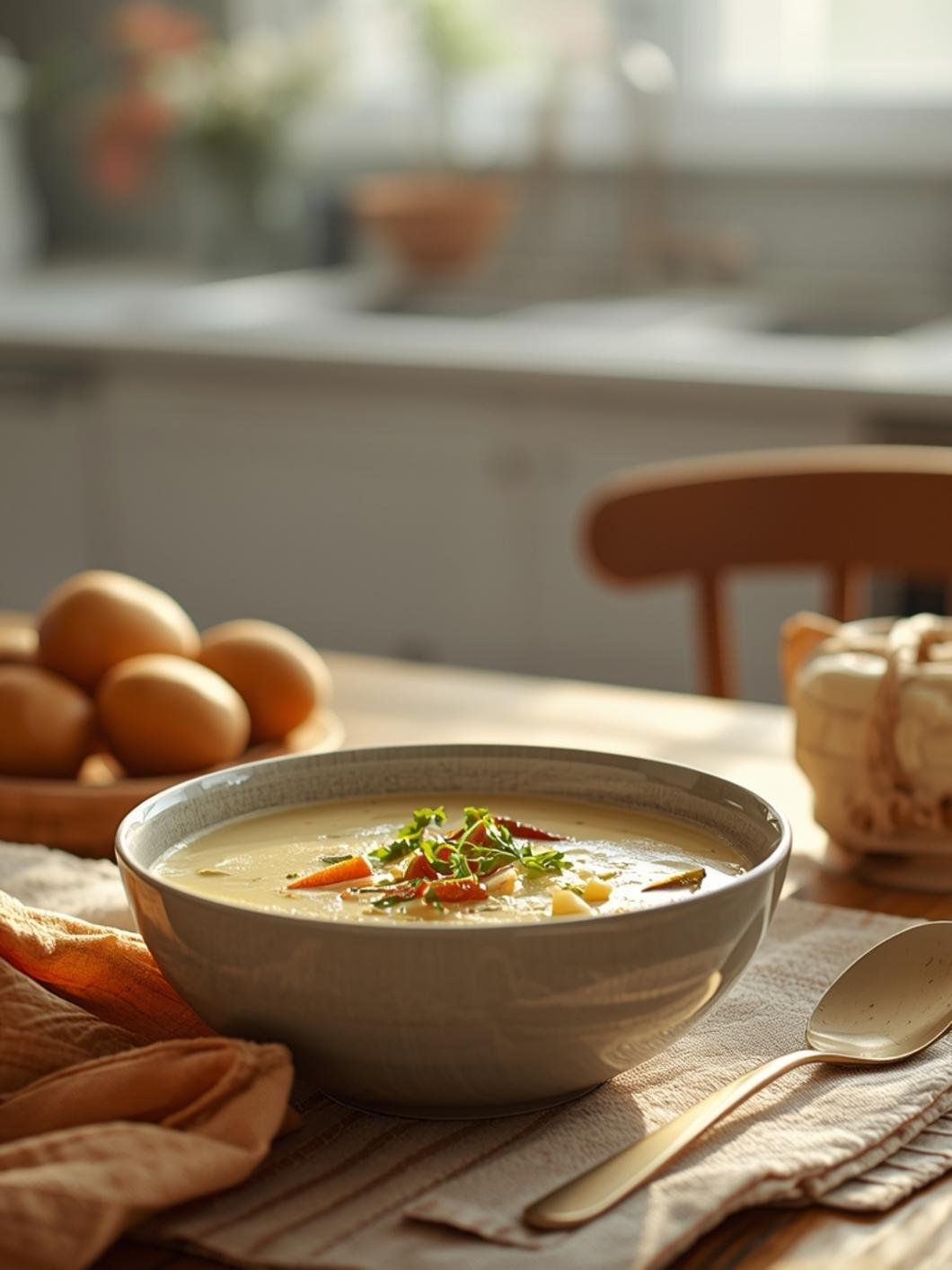
Nothing warms the soul quite like a bowl of homemade potato soup recipe on a chilly evening. This classic comfort food has been satisfying hungry families for generations, and today I’m sharing my perfected version that delivers rich flavor and velvety texture in every spoonful. Whether you’re looking to prepare a hearty weeknight dinner or serve a crowd-pleasing starter, this creamy potato soup checks all the boxes for simplicity and satisfaction.
Let me show you how to transform humble potatoes into a luxurious soup that will have everyone asking for seconds!
Introduction
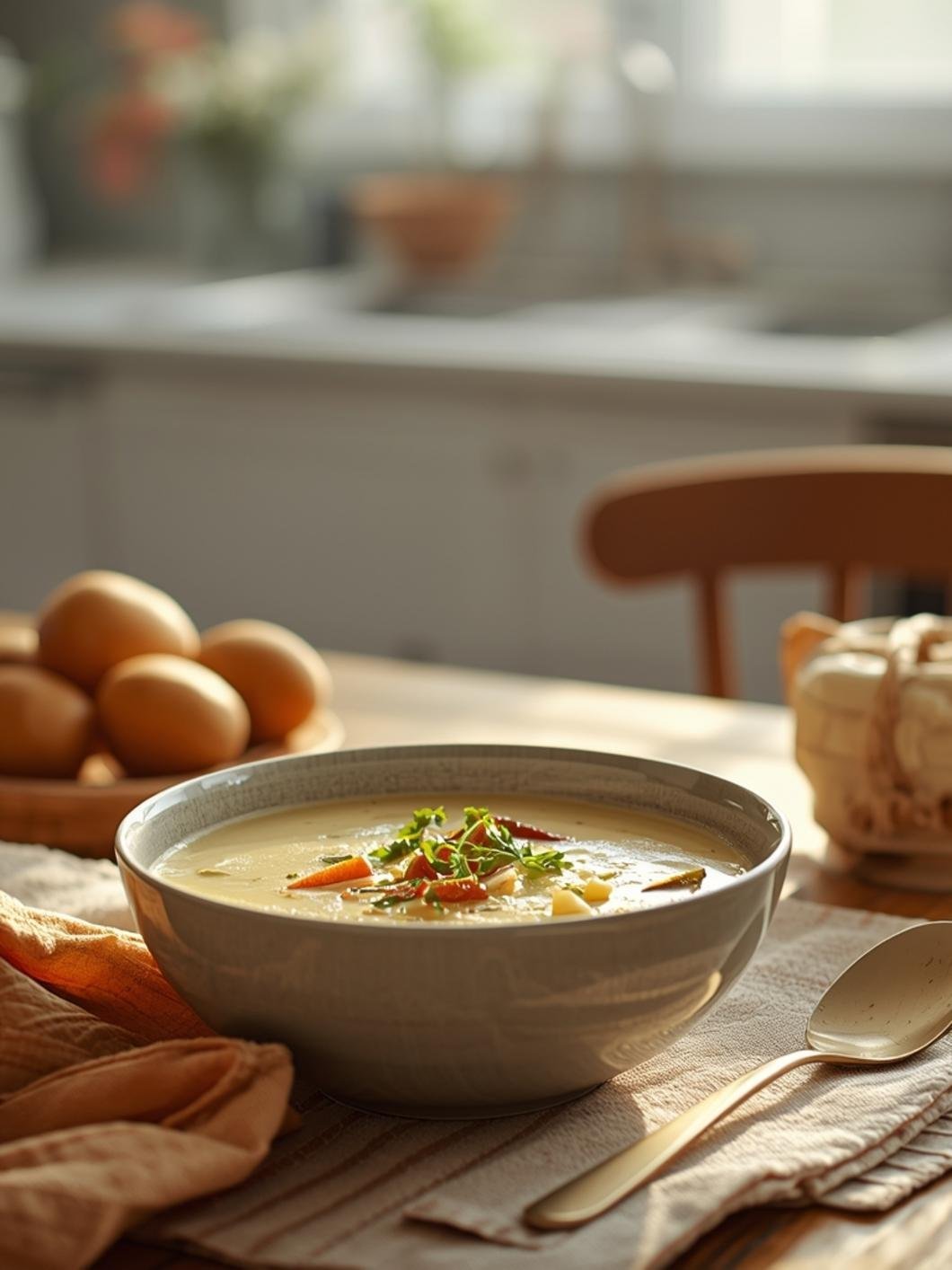
Why You’ll Love This Recipe
- Deliciously Satisfying: Prepare to experience the perfect balance of creaminess and savory potato goodness in every bite
- Incredibly Easy: Even novice cooks can create this soup with simple ingredients and straightforward techniques
- Budget-Friendly: Whip up a hearty meal that feeds the whole family without breaking the bank
- Versatile Base: Customize with your favorite toppings or additions to make it uniquely yours
- Perfect Comfort Food: Serve this warming soup year-round, but especially during those cold winter months when you need something cozy
Ingredients
- 6 medium russet potatoes, peeled and diced (about 2½ pounds)
- 1 large yellow onion, finely diced
- 3 cloves garlic, minced
- 2 large carrots, diced
- 2 stalks celery, diced
- 4 cups chicken or vegetable broth
- 2 cups whole milk
- 1 cup heavy cream
- 4 tablespoons butter
- 3 tablespoons all-purpose flour
- 2 teaspoons salt (adjust to taste)
- 1 teaspoon freshly ground black pepper
- 1 teaspoon dried thyme
- ½ teaspoon dried rosemary
- ¼ teaspoon nutmeg
- 6 strips bacon, cooked and crumbled (optional)
- 1 cup shredded cheddar cheese
- 3 tablespoons fresh chives, chopped
- ¼ cup sour cream for garnish
Kitchen Tools Needed
- Large Dutch oven or heavy-bottomed pot
- Sharp chef’s knife
- Cutting board
- Vegetable peeler
- Measuring cups and spoons
- Wooden spoon
- Potato masher or immersion blender
- Ladle
- Whisk
Step-by-Step Instructions
1. Prepare the base ingredients: Peel and dice the potatoes into ½-inch cubes. Finely dice the onion, carrots, and celery. Mince the garlic cloves.
2. Cook the aromatics: In a large Dutch oven, melt 2 tablespoons of butter over medium heat. Add the diced onions, carrots, and celery. Sauté for 5-7 minutes until softened.
3. Add flavor builders: Add the minced garlic, dried thyme, and rosemary. Cook for another 30 seconds until fragrant.
4. Incorporate the potatoes: Add the diced potatoes to the pot and stir to combine with the aromatic vegetables.
5. Add the liquid: Pour in the chicken broth. Bring to a boil, then reduce heat to maintain a gentle simmer. Cover and cook for 15-20 minutes until potatoes are fork-tender.
6. Create the roux: While the potatoes simmer, melt the remaining 2 tablespoons of butter in a small saucepan over medium heat. Add the flour and whisk continuously for 1-2 minutes to cook out the raw flour taste.
7. Make it creamy: Slowly whisk in the milk and heavy cream into the roux until smooth. Continue cooking for 2-3 minutes until slightly thickened.
8. Combine everything: Pour the cream mixture into the potato soup recipe pot, stirring gently to incorporate.
9. Adjust the texture: For a chunkier soup, use a potato masher to partially mash some of the potatoes. For a smoother creamy potato soup, use an immersion blender to blend to your desired consistency.
10. Season and finish: Stir in salt, pepper, and nutmeg. Add half the shredded cheese and stir until melted. Taste and adjust seasoning if needed.
11. Garnish and serve: Ladle the soup into bowls. Top with crumbled bacon, remaining cheese, fresh chives, and a dollop of sour cream.
Pro Cooking Tips
Perfect potato selection: Choose starchy potatoes like russets for the creamiest texture. They break down better during cooking, contributing to that velvety consistency we’re aiming for.
Double the flavor base: Save some of the bacon fat after cooking your bacon and use it to sauté your vegetables. This simple step introduces another layer of savory flavor.
Master the thickening technique: If your soup isn’t thick enough, prepare a small amount of additional roux (equal parts butter and flour) and whisk it in. Let it simmer for a few minutes to thicken naturally.
Develop depth of flavor: For an even richer taste, roast the garlic before adding it to the soup. Simply wrap a head of garlic in foil, drizzle with olive oil, and bake at 400°F for 30 minutes until soft.
Control the consistency: Remember that the soup will continue to thicken as it cools. If it becomes too thick, simply add a splash of milk or broth to reach your desired consistency.
Recipe Variations
Air Fryer Potato Topping
Prepare air-fried potato skins as a crispy garnish! Hollow out 2 potatoes, brush the skins with olive oil, and air fry at 390°F for 8-10 minutes. Crumble these crispy skins on top of your soup for a delightful textural contrast.
Spicy Southwest Version
Transform the flavor profile by adding 1 diced jalapeño (seeds removed) with the aromatics. Mix in 1 teaspoon of cumin, ½ teaspoon of chili powder, and finish with a squeeze of lime juice. Top with avocado, cilantro, and crushed tortilla chips.
Low-Carb Cauliflower Option
Replace half the potatoes with cauliflower florets for a lower-carb alternative. The cauliflower blends beautifully while maintaining a creamy texture. You’ll reduce the carb content while still enjoying a satisfying bowl of comfort.
Loaded Baked Potato Style
Create a fully-loaded baked potato in soup form by doubling the bacon and cheese. Mix in 3 tablespoons of ranch seasoning and serve topped with extra sour cream and green onions for that classic loaded baked potato experience.
Serving Suggestions & Side Dishes
A steaming bowl of potato soup calls for the perfect accompaniment. Create a crusty baguette or garlic bread for dipping into the rich, creamy broth. The contrast between the crispy bread and velvety soup creates textural magic.
Prepare a simple green salad with a light vinaigrette to balance the richness of the soup. The acidity and freshness cut through the creaminess, cleansing the palate between spoonful.
For a heartier meal, serve smaller portions of the soup as a starter before a roast chicken or grilled steak dinner. The soup prepares the palate for the main event.
Make mini grilled cheese sandwiches with sharp cheddar and crispy bacon for soup dippers. There’s something irresistible about dunking a grilled cheese into creamy soup!
Storage & Reheating Tips
Refrigeration: Transfer cooled soup to airtight containers and store in the refrigerator for up to 4 days. The flavors often develop and improve overnight, making this soup perfect for make-ahead meals.
Freezing: While cream-based soups can sometimes separate when frozen, you can still freeze this potato soup for up to 3 months. The trick is to freeze it before adding the dairy, then mix in fresh cream when reheating.
Reheating on stovetop: Place refrigerated soup in a pot over medium-low heat. Stir occasionally to prevent scorching. Add a splash of milk or broth if it’s thickened too much during storage.
Microwave method: Heat individual portions in a microwave-safe bowl, covered with a paper towel, at 50% power. Stir every minute until heated through (about 3-4 minutes total).
Revitalizing leftovers: When reheating, add a small pat of butter and a sprinkle of fresh herbs to revive the flavors and make the leftover soup taste freshly made.
Nutrition & Health Benefits
While indulgent, this potato soup offers several nutritional benefits when enjoyed in moderation. Potatoes provide a good source of vitamin C, potassium, and vitamin B6, supporting immune function and heart health.
The combination of vegetables creates a fiber-rich base, contributing to digestive health and providing greater satiety. For added nutritional benefits, leave the potato skins on (just scrub them well).
Using homemade chicken or vegetable stock adds minerals and collagen (from chicken stock), supporting joint health and providing a protein boost. You can adjust the fat content by using low-fat milk instead of whole milk and cream.
The cheese and dairy components deliver calcium and protein, supporting bone health and muscle maintenance. For a lighter version, substitute part of the heavy cream with Greek yogurt.
Common Mistakes to Avoid
Overcooking the potatoes: Mushy, waterlogged potatoes create a gummy texture. Test frequently with a fork for tenderness – they should pierce easily but still hold their shape.
Boiling instead of simmering: Aggressive boiling breaks down potatoes too quickly and unevenly. Maintain a gentle simmer for even cooking and better texture control.
Adding dairy too early: Adding milk or cream too early or at too high a temperature can cause curdling. Always reduce heat before incorporating dairy components.
Under-seasoning: Potatoes absorb a lot of salt, so taste and adjust seasoning after the soup has simmered. Remember to season in layers as you cook for deeper flavor development.
Rushing the process: Great soup takes time. Allow those aromatics to properly soften and the flavors to meld together. Those extra minutes make all the difference in the final result.
Conclusion
There’s something magical about transforming simple ingredients into a bowl of comfort that nourishes both body and soul. This potato soup recipe proves that humble ingredients can create extraordinary results with just a little care and attention to technique.
Whether you’re cooking for a family dinner, preparing a comforting lunch, or serving friends on a chilly evening, this creamy potato soup delivers reliable, delicious results every time. The beauty of soup-making lies in its forgiving nature and endless adaptability—feel free to make this recipe your own.
I hope this recipe becomes a treasured addition to your cooking repertoire, providing warmth and satisfaction for years to come. There’s nothing quite like watching someone’s face light up when they taste a spoonful of perfectly prepared potato soup!
FAQs
Can I make potato soup in a slow cooker?
Yes! Place all ingredients except the dairy (milk, cream, cheese) in your slow cooker. Cook on low for 6-8 hours or high for 3-4 hours. In the last 30 minutes, stir in the dairy components and allow them to heat through before serving.
What’s the best way to thicken potato soup if it’s too thin?
Create a slurry with 1 tablespoon cornstarch mixed with 2 tablespoons cold water. Stir this into the simmering soup and cook for 2-3 minutes. Alternatively, mash more of the potatoes for natural thickening, or add a bit more cheese.
Can I use different potatoes other than russets?
Absolutely! Yukon Golds make an excellent substitute with their buttery flavor and creamy texture. Red potatoes hold their shape better if you prefer a chunkier soup. Each variety brings slightly different qualities to the final dish.
Is there a dairy-free version of this potato soup?
Yes, substitute the dairy with coconut milk or a neutral-flavored non-dairy alternative like oat milk. For creaminess without dairy, blend in 1/2 cup of soaked, raw cashews with your broth, or use a potato puree as a natural thickener.
How can I make this potato soup more filling as a main dish?
Add protein by incorporating shredded rotisserie chicken, ham cubes, or white beans. For a heartier vegetarian version, mix in sautéed mushrooms, corn kernels, or even cooked quinoa to boost the protein and fiber content.