Quick and Easy Seafood Dinners Ready in 30 Minutes
Are you tired of spending hours in the kitchen after a long workday, only to end up with bland, uninspiring meals? What if you could create restaurant-quality seafood dishes that burst with flavor in just 30 minutes or less? These easy seafood recipes will transform your weeknight dinner routine, proving that quick cooking doesn’t mean sacrificing taste or nutrition.
Seafood offers incredible versatility and cooks remarkably fast, making it perfect for busy schedules. With the right techniques and fresh ingredients, you can create impressive meals that rival expensive restaurants. These recipes focus on simple preparation methods that maximize flavor while minimizing time and effort.
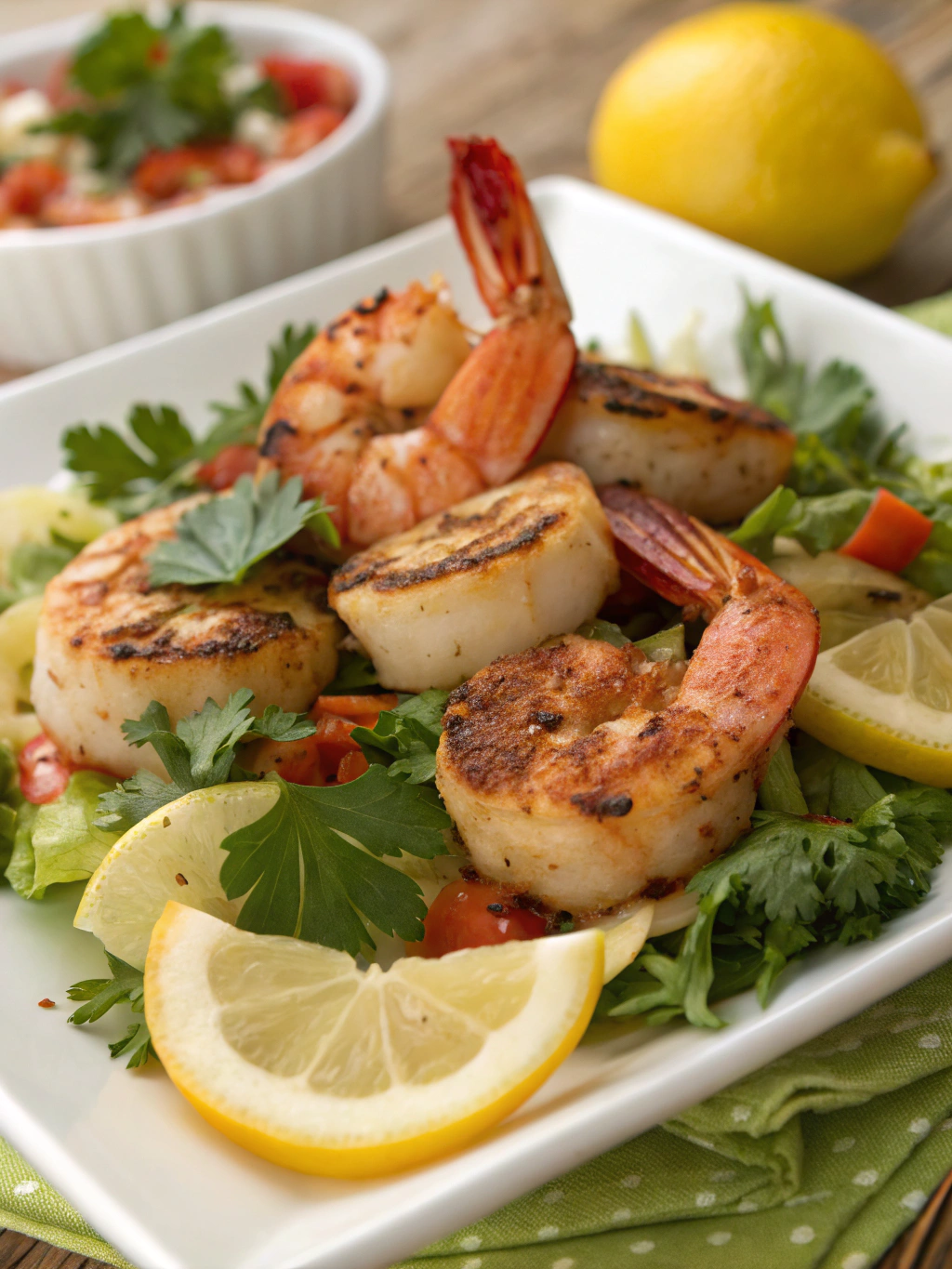
From succulent shrimp scampi to perfectly seared salmon, these dishes showcase how seafood’s natural flavors shine with minimal intervention. Each recipe uses pantry staples and readily available ingredients, ensuring you can whip up delicious meals without special shopping trips.
Ingredients List Easy Seafood Dinners

These versatile ingredients form the foundation for multiple quick seafood preparations. Stock your kitchen with these essentials for spontaneous gourmet cooking sessions.
- Fresh seafood options: 1.5 lbs shrimp (peeled, deveined), salmon fillets, white fish fillets, or scallops
- Aromatics: 4 cloves garlic (minced), 1 medium onion (diced), 2 shallots (finely chopped)
- Fresh herbs: 1/4 cup fresh parsley, 2 tablespoons fresh dill, 1 tablespoon fresh thyme
- Citrus: 2 lemons (juiced and zested), 1 lime (juiced)
- Cooking liquids: 1/2 cup white wine, 1/4 cup olive oil, 2 tablespoons butter
- Seasonings: Sea salt, black pepper, red pepper flakes, paprika
- Pantry staples: 8 oz pasta, cherry tomatoes, capers, pine nuts
Substitution suggestions include using frozen seafood (properly thawed), vegetable broth instead of wine, and dried herbs at half the fresh quantity. Choose sustainable seafood options when possible for environmental responsibility.
Timing
These recipes prioritize efficiency without compromising quality. Total preparation time ranges from 25-30 minutes, with most active cooking occurring in the final 10-15 minutes.
Preparation time: 10-12 minutes for ingredient prep and mise en place. Cooking time: 12-18 minutes depending on seafood choice and cooking method. Total time: 25-30 minutes, which is 60% faster than traditional seafood preparation methods.
This timing allows for multitasking – prepare sides while seafood cooks, or start with appetizers for entertaining. The quick cooking preserves seafood’s delicate texture and prevents overcooking.
Step-by-Step Instructions
Step 1: Preparation and Setup
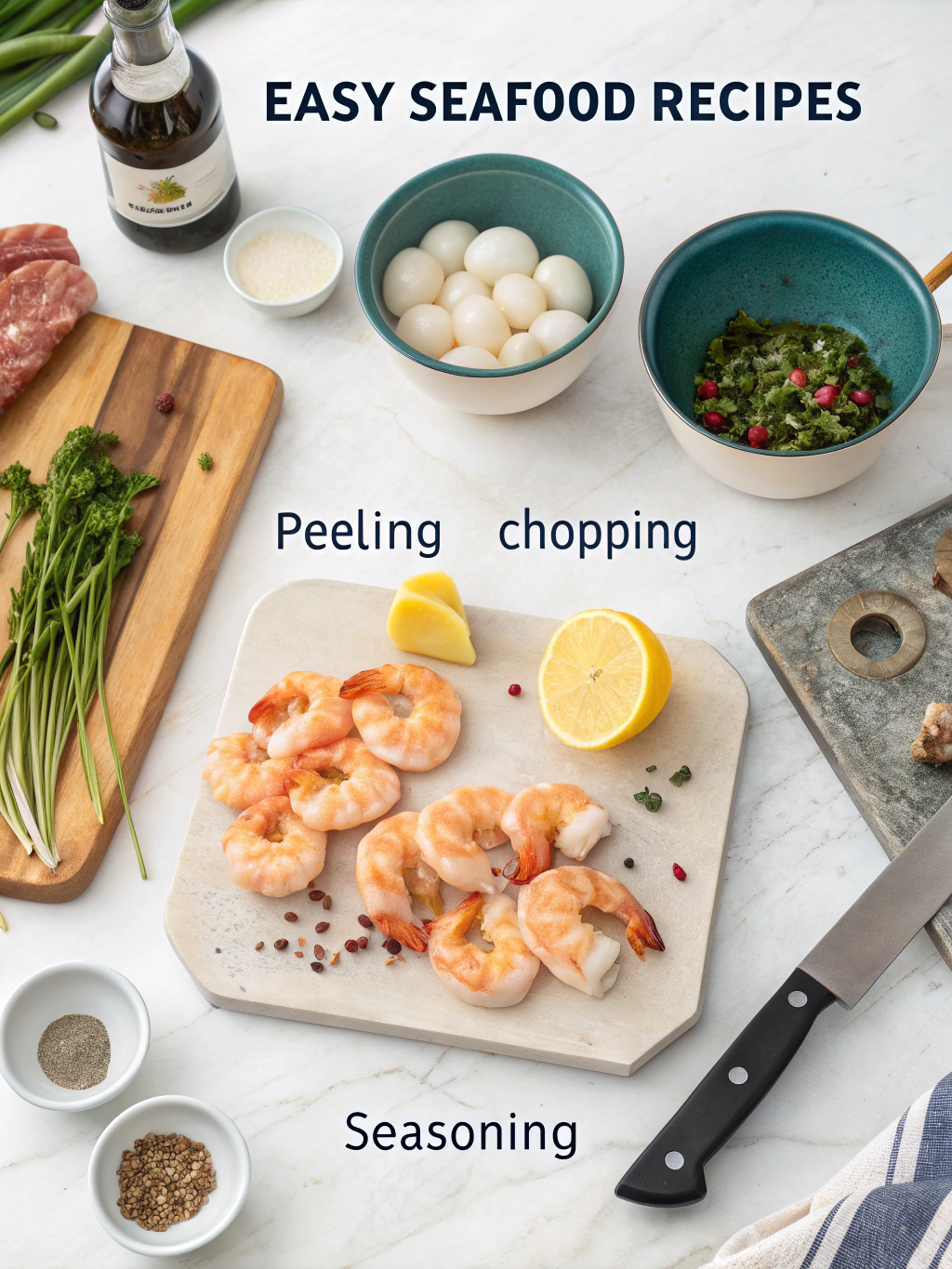
Begin by patting seafood completely dry with paper towels – moisture is the enemy of proper searing. Season generously with salt and pepper, allowing it to come to room temperature for 10 minutes. This ensures even cooking throughout.
Prepare all aromatics and have ingredients measured and ready. Heat your largest skillet over medium-high heat while completing prep work. Organization at this stage prevents overcooking later.
Step 2: Building the Flavor Base
Add olive oil to the heated pan, swirling to coat evenly. Sauté garlic and shallots for 60-90 seconds until fragrant but not browned. This creates an aromatic foundation that infuses the entire dish.
For Mediterranean seafood recipes, add cherry tomatoes at this stage, cooking until they begin to burst and release their juices. The natural sugars caramelize slightly, adding depth.
Step 3: Cooking the Seafood
Increase heat to high and add seafood in a single layer, avoiding overcrowding. For shrimp, cook 2-3 minutes per side until pink and opaque. Salmon needs 4-5 minutes per side for medium doneness.
Resist the urge to move seafood too quickly – proper searing requires patience. Listen for the sizzle and watch for golden edges before flipping. This technique locks in moisture and creates appealing texture contrasts.
Step 4: Deglazing and Finishing
Remove seafood temporarily and deglaze the pan with white wine, scraping up any browned bits. These fond particles contain concentrated flavor that elevates the final sauce.
Add lemon juice, butter, and fresh herbs, swirling to create a glossy emulsion. Return seafood briefly to warm through and coat with the pan sauce. Taste and adjust seasoning as needed.
Step 5: Final Assembly and Plating
If serving with pasta, toss the cooked noodles directly in the seafood pan to absorb flavors. For standalone presentations, arrange seafood attractively and spoon sauce generously over top.
Garnish with fresh herbs, lemon zest, and a drizzle of quality olive oil. Serve immediately while seafood maintains its optimal texture and temperature.
Nutritional Information
These easy seafood recipes provide exceptional nutritional value with approximately 280-350 calories per serving. Seafood delivers high-quality protein ranging from 25-35 grams per portion, supporting muscle maintenance and satiety.
Omega-3 fatty acids, particularly abundant in salmon and other fatty fish, contribute 1000-2000mg per serving. These essential fats support heart health, brain function, and reduce inflammation markers according to recent nutritional studies.
The recipes are naturally low in carbohydrates (5-8g when served without pasta) and provide significant amounts of selenium, vitamin B12, and iodine. These micronutrients support thyroid function and cellular energy production.
Sodium content remains moderate at 400-600mg per serving, primarily from natural seafood sources rather than added salt. The preparation methods preserve water-soluble vitamins while enhancing fat-soluble vitamin absorption through healthy cooking fats.
Healthier Alternatives for the Recipe
Transform these recipes into even more nutritious options without sacrificing flavor. Replace butter with avocado oil for higher smoke point and additional monounsaturated fats. This substitution maintains richness while improving the fatty acid profile.
Incorporate more vegetables by adding zucchini noodles, cauliflower rice, or spiralized vegetables instead of traditional pasta. These alternatives reduce calories by 40% while increasing fiber and micronutrient density significantly.
For lower sodium versions, use fresh herbs more liberally and add acid through citrus or vinegar rather than salt. Kelp powder provides umami depth while contributing beneficial minerals without excessive sodium.
Consider using wild-caught seafood when possible, as it typically contains higher omega-3 levels and fewer contaminants than farm-raised alternatives. Smaller fish like sardines or anchovies can be incorporated for additional nutritional benefits and sustainable sourcing.
Serving Suggestions
These versatile seafood dishes pair beautifully with various accompaniments. Serve over creamy risotto, quinoa pilaf, or roasted vegetables for complete, satisfying meals that appeal to different dietary preferences.
Create an elegant presentation by serving alongside grilled asparagus, roasted Brussels sprouts, or a crisp arugula salad dressed with lemon vinaigrette. The contrast of textures and flavors enhances the overall dining experience.
For entertaining, present these easy seafood recipes family-style with crusty bread for sauce absorption and a selection of roasted seasonal vegetables. This approach encourages sharing and conversation.
Wine pairings include crisp Sauvignon Blanc, unoaked Chardonnay, or light Pinot Grigio. For non-alcoholic options, sparkling water with lemon or cucumber-mint infused water complement the fresh flavors perfectly.
Common Mistakes to Avoid
Successful seafood cooking requires attention to several critical details that can make or break your dish:
- Overcooking: Seafood continues cooking after removal from heat. Remove when slightly underdone to prevent rubbery texture.
- Overcrowding the pan: This causes steaming instead of searing, resulting in pale, soggy seafood without appealing color.
- Not drying seafood properly: Excess moisture prevents proper browning and can cause dangerous oil splattering.
- Using too low heat: Insufficient heat fails to create the Maillard reaction necessary for complex flavors and appealing appearance.
- Moving seafood too frequently: Constant flipping prevents proper searing and can cause delicate fish to break apart.
- Ignoring carryover cooking: Residual heat continues cooking seafood for 2-3 minutes after removal from heat source.
Temperature monitoring with an instant-read thermometer ensures perfect doneness: 145°F for fish, 120°F for shrimp and scallops. These temperatures account for carryover cooking and result in optimal texture.
Storing Tips for the Recipe
Proper storage maintains seafood quality and safety while extending enjoyment of your culinary efforts. Cooked seafood should be refrigerated within two hours and consumed within 2-3 days for optimal freshness and food safety.
Store in airtight containers with tight-fitting lids to prevent odor transfer and moisture loss. Glass containers work best as they don’t absorb flavors and allow easy reheating monitoring.
For reheating, use gentle methods like low oven temperatures (300°F) or brief microwave intervals to prevent overcooking. Add a splash of broth or white wine to restore moisture during reheating.
These easy seafood recipes can be partially prepared ahead by prepping vegetables and measuring seasonings. However, cook seafood fresh for best results, as it doesn’t freeze well after cooking.
Raw seafood should be used within 24-48 hours of purchase and stored on ice in the refrigerator. If freezing raw seafood, wrap tightly and use within 3-6 months depending on the variety.
Conclusion
These quick and easy seafood dinner recipes prove that exceptional meals don’t require hours of preparation or professional culinary training. With simple techniques and quality ingredients, you can create restaurant-worthy dishes in your own kitchen within 30 minutes.
The versatility of seafood allows for endless creativity while maintaining nutritional benefits and sophisticated flavors. These recipes serve as foundations for experimentation with different herbs, spices, and accompaniments based on personal preferences and seasonal availability.
Master these fundamental techniques and you’ll never struggle with weeknight dinner planning again. The combination of speed, nutrition, and flavor makes seafood an ideal choice for busy lifestyles without compromising culinary satisfaction.
Ready to transform your dinner routine? Try one of these recipes tonight and discover how quickly you can create memorable meals. Share your results and variations in the comments below, and don’t forget to explore our other quick dinner solutions for more weeknight inspiration!
Easy Seafood Dinners
Ingredients
Method
- Begin by patting seafood completely dry with paper towels – moisture is the enemy of proper searing.
- Season generously with salt and pepper, allowing it to come to room temperature for 10 minutes.
- Prepare all aromatics and have ingredients measured and ready.
- Heat your largest skillet over medium-high heat while completing prep work.
- Add olive oil to the heated pan, swirling to coat evenly.
- Sauté garlic and shallots for 60-90 seconds until fragrant but not browned.
- If making Mediterranean seafood, add cherry tomatoes and cook until they begin to burst and release their juices.
- Increase heat to high and add seafood in a single layer, avoiding overcrowding.
- Cook shrimp for 2-3 minutes per side until pink and opaque and salmon for 4-5 minutes per side for medium doneness.
- Do not move seafood too quickly to ensure proper searing.
- Remove seafood temporarily and deglaze the pan with white wine, scraping up any browned bits.
- Add lemon juice, butter, and fresh herbs, swirling to create a glossy emulsion.
- Return seafood briefly to warm through and coat with the pan sauce.
- If serving with pasta, toss the cooked noodles directly in the seafood pan.
- Arrange seafood attractively on plates and spoon sauce generously over top.
- Garnish with fresh herbs, lemon zest, and a drizzle of olive oil.