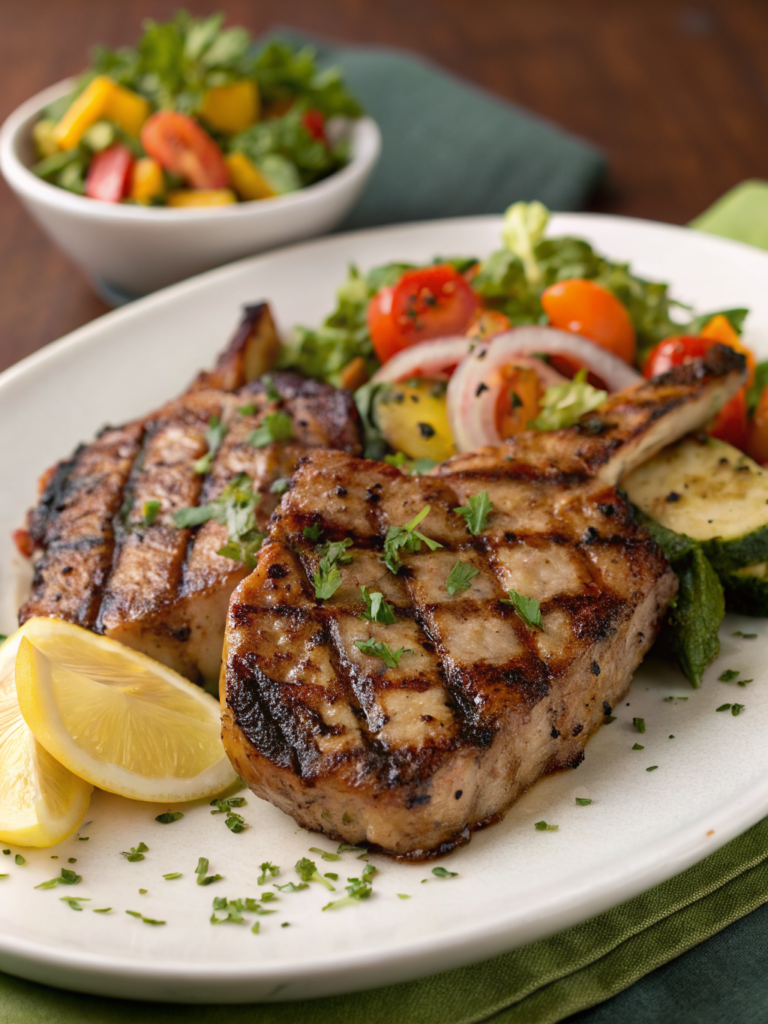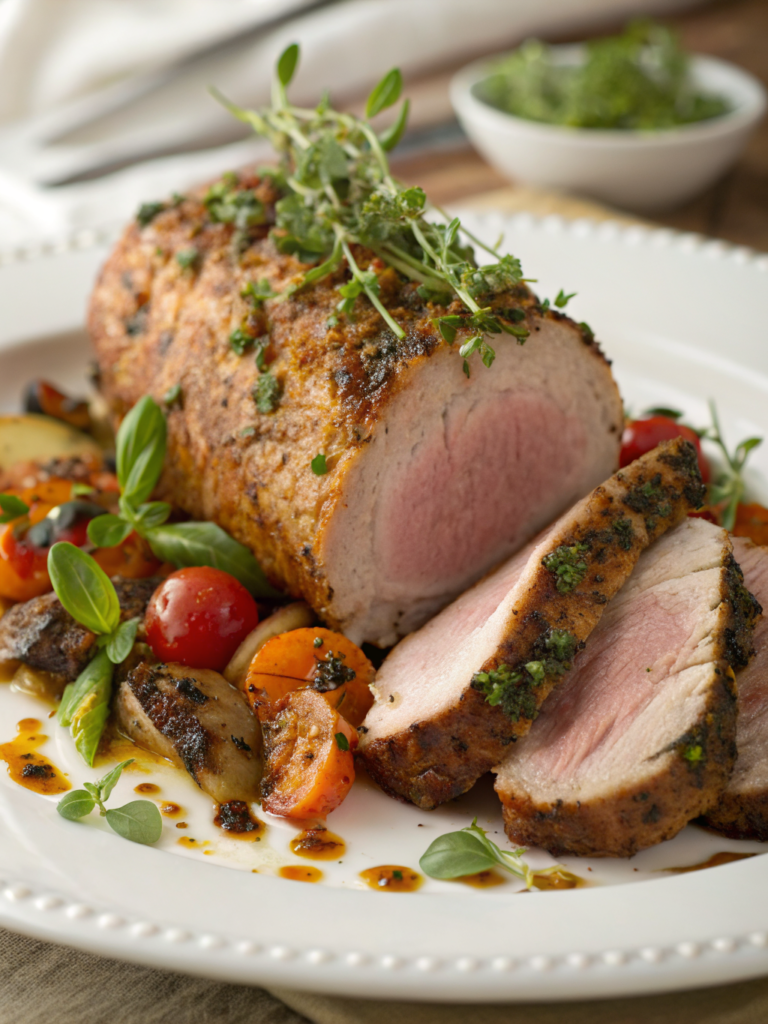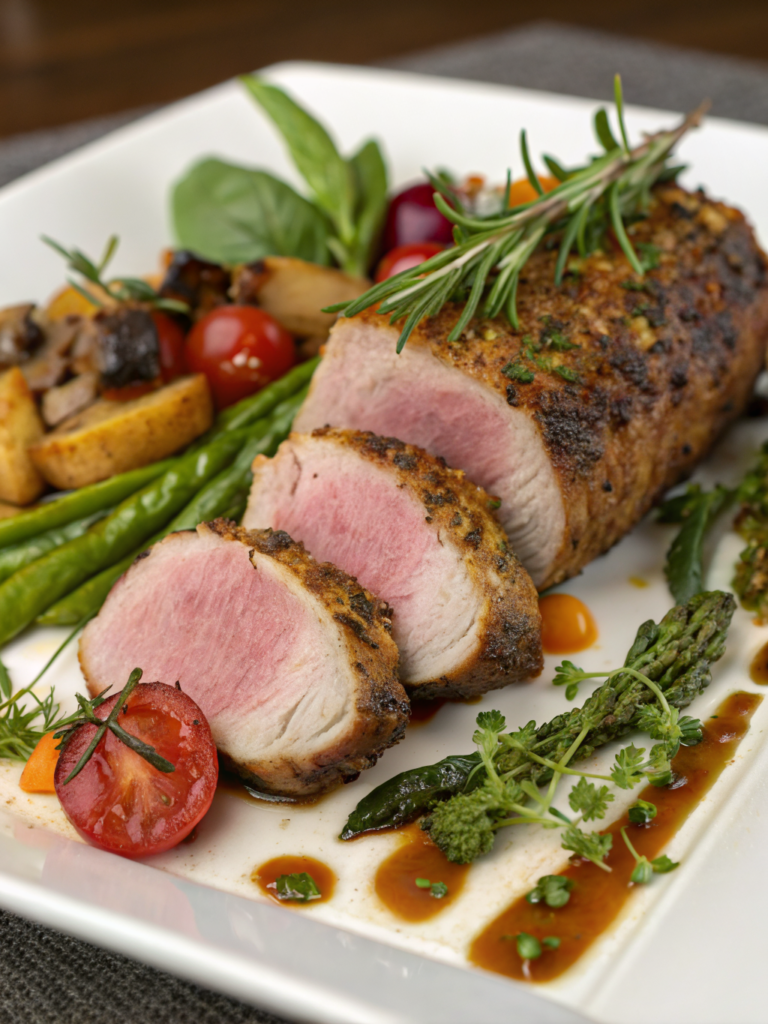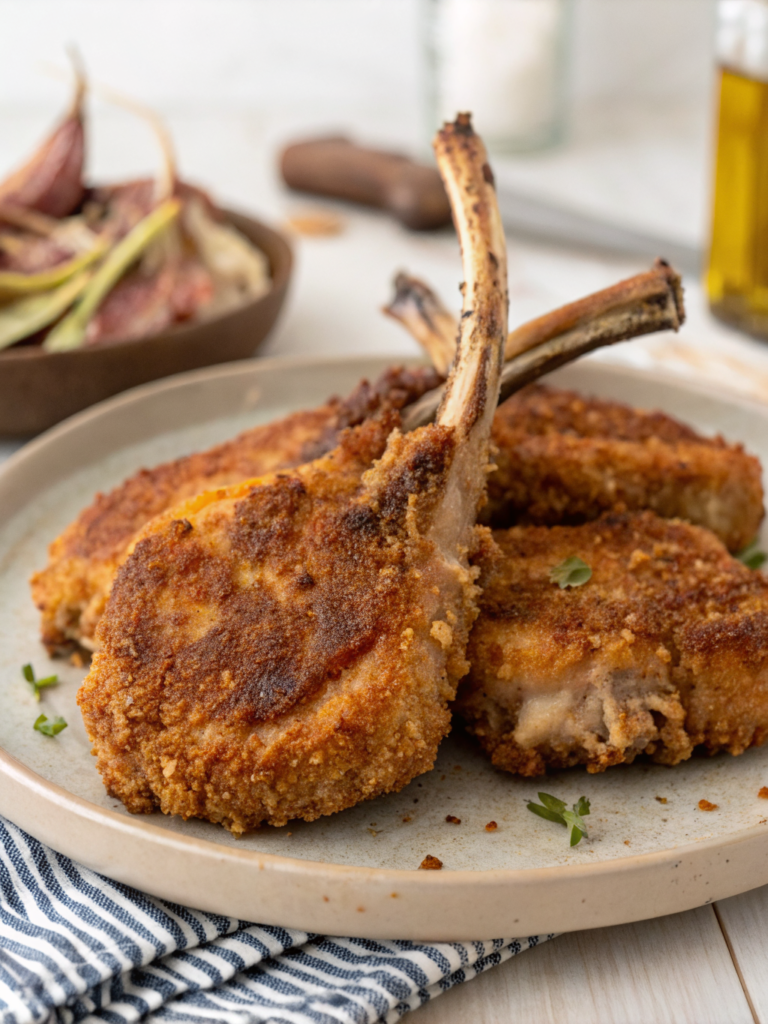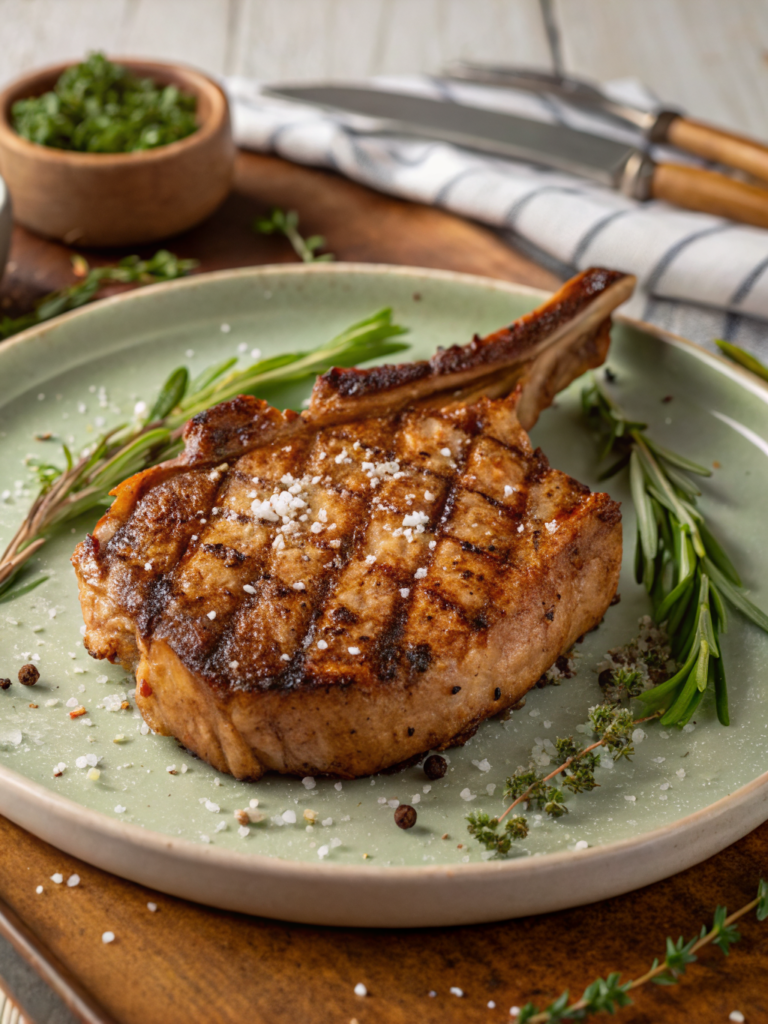
The Ultimate Crispy Pork Belly Recipe 15 min
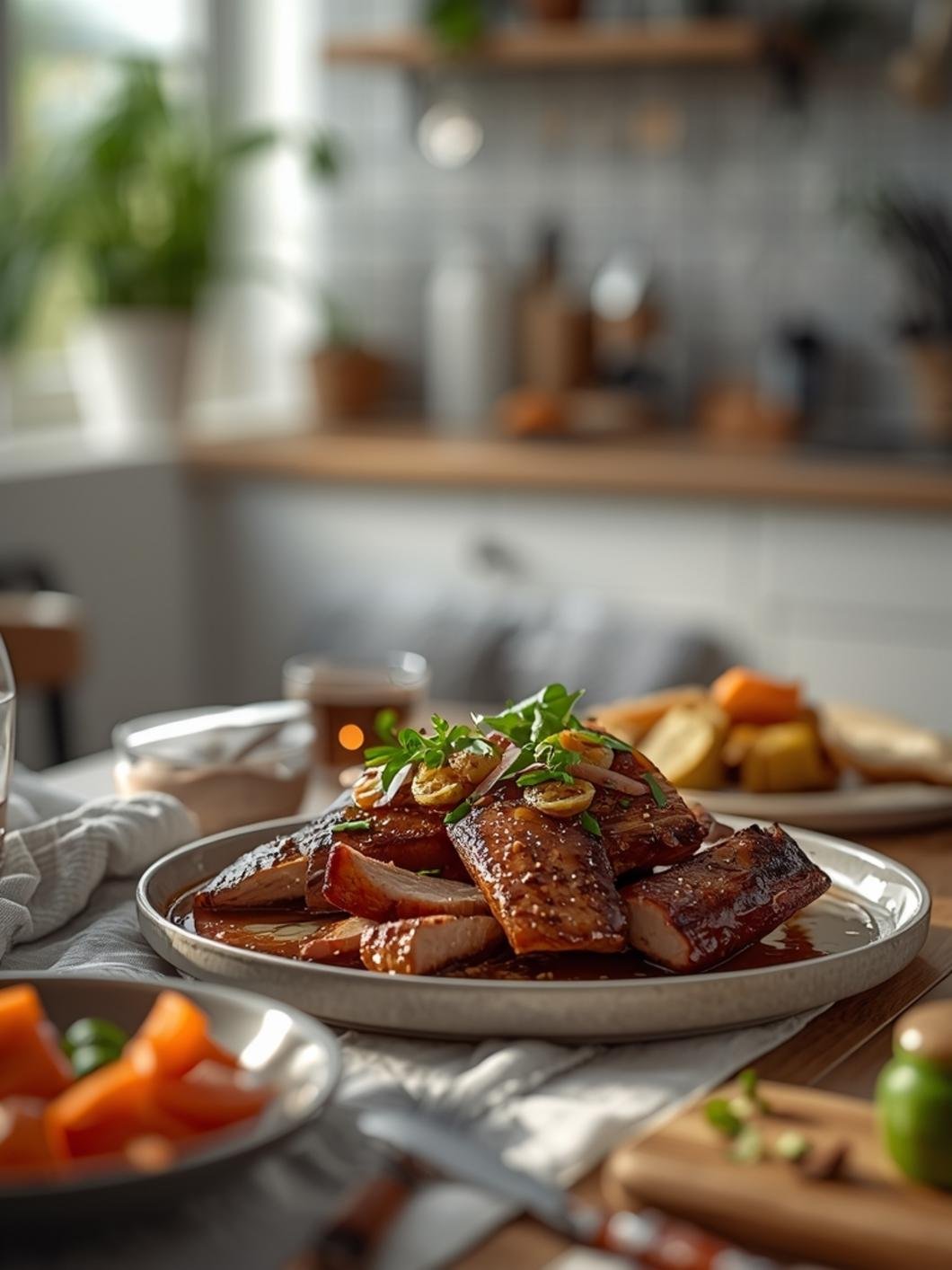
How to Make Restaurant-Quality Pork at Home
Creating the perfect crispy pork belly recipe is both an art and a science. That crackling sound when you bite into perfectly rendered pork skin is the hallmark of a dish prepared with care and precision. Today, I’m sharing my fool-proof method for preparing pork belly that delivers that coveted crispy exterior while maintaining a tender, juicy interior. This slow roasted pork belly technique transforms an affordable cut into a gourmet centerpiece worthy of any special occasion or weekend family dinner.
Introduction
Why You’ll Love This Recipe pork belly
• Irresistible Texture: Achieve that perfect contrast between shatteringly crisp skin and melt-in-your-mouth meat
• Foolproof Method: Simple techniques that deliver consistent, delicious results every time
• Impressive Presentation: Create a restaurant-quality centerpiece that will wow your guests
• Versatile Dish: Easily customize with your favorite spices and accompaniments
• Budget-Friendly Luxury: Transform an affordable cut into a gourmet meal
Ingredients
• 2-3 pounds pork belly, skin-on
• 2 tablespoons kosher salt
• 2 teaspoons baking powder (for extra crispiness)
• 1 tablespoon white vinegar
• 1 tablespoon olive oil
• 4 cloves garlic, minced
• 2 tablespoons fresh rosemary, chopped
• 1 tablespoon fresh thyme leaves
• 1 teaspoon ground black pepper
• 1 teaspoon fennel seeds (optional)
• 2 bay leaves
• 1 cup chicken stock (for roasting)
Kitchen Tools Needed
• Sharp knife or scoring tool
• Roasting pan with rack
• Meat thermometer
• Aluminum foil
• Paper towels
• Pastry brush
• Kitchen twine (optional)
• Heavy-bottomed frying pan (for finishing step)
Step-by-Step Instructions
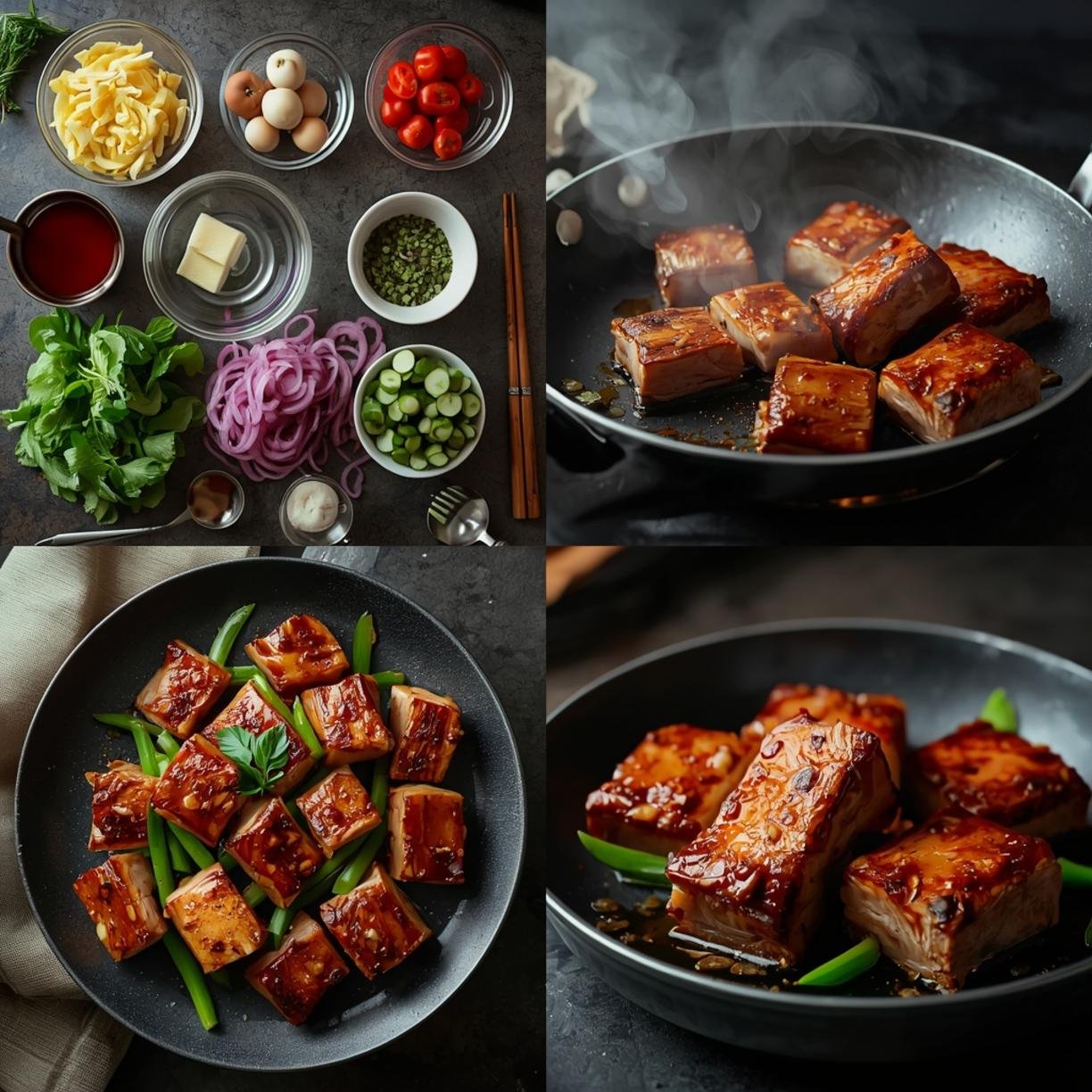
1. Prepare the pork belly: Pat the pork belly dry with paper towels. Score the skin in a crosshatch pattern, making cuts about ¼ inch apart without cutting into the meat.
2. Season strategically: Mix salt and baking powder, then rub thoroughly into the scored skin. Flip the belly and season the meat side with garlic, herbs, and pepper.
3. Air-dry for crispiness: Place the seasoned pork belly on a rack, skin-side up and uncovered, in the refrigerator for at least 12 hours or up to 24 hours.
4. Prepare for roasting: Remove the pork from refrigerator 1-2 hours before cooking to allow it to come to room temperature.
5. Preheat your oven: Set to 450°F (230°C) with a rack in the middle position.
6. Prepare the roasting pan: Line with foil for easier cleanup, place a rack inside, and pour the chicken stock into the bottom of the pan.
7. Vinegar treatment: Brush the skin with white vinegar (this helps achieve crackling).
8. Initial high-heat roast: Place the crispy pork belly recipe skin-side up on the rack and roast for 30 minutes at high heat.
9. Reduce and slow roast: Lower temperature to 325°F (165°C) and continue roasting for 1.5-2 hours until the internal temperature reaches 165°F (74°C).
10. Final crisping stage: If needed, broil on high for 5-10 minutes, watching carefully to ensure the skin crisps evenly without burning.
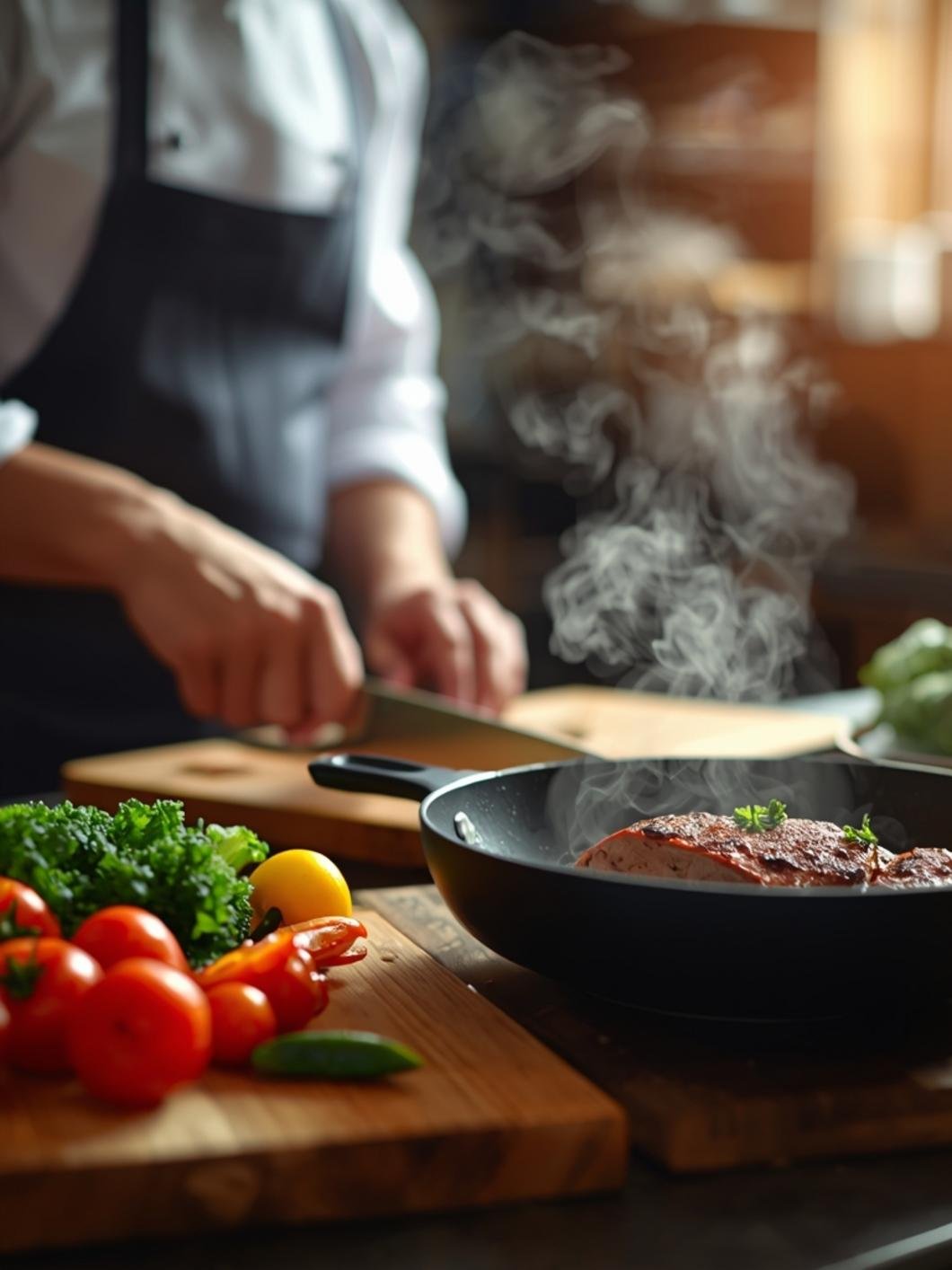
11. Rest properly: Remove the slow roasted pork belly from the oven and let it rest for 15-20 minutes before slicing.
12. Slice and serve: Using a very sharp knife, cut into serving portions and enjoy your masterpiece.
Pro Cooking Tips
• Dry skin is critical: After scoring, pat the skin dry multiple times during the air-drying process.
• Score with precision: Cut through the skin but avoid cutting into the fat or meat below.
• Baking powder magic: The alkaline baking powder breaks down proteins in the skin, promoting better browning and crispiness.
• Keep it level: For even cooking, choose a pork belly piece with uniform thickness or ask your butcher to trim it.
• Temperature monitoring: Use a meat thermometer to ensure the pork reaches the right internal temperature without overcooking.
• Salt timing matters: Apply salt at least 12 hours before cooking to draw out moisture from the skin.
• Shield as needed: If some parts of the skin brown too quickly, cover those sections with small pieces of foil.
• Patience pays off: The long, slow roasting time is essential for rendering the fat properly.
Recipe Variations
Air Fryer Crispy Pork Belly
1. Prepare and season the pork belly as in the main recipe.
2. Cut into smaller 2-3 inch pieces for better air circulation.
3. Cook in the air fryer at 400°F (200°C) for 20 minutes skin-side down.
4. Flip and continue cooking skin-side up for another 15-20 minutes until crispy and cooked through.
5. Let rest for 5 minutes before serving.
Spicy Asian-Inspired Pork Belly
1. Create a spice paste with 2 tablespoons Sichuan peppercorns, 3 star anise pods, 1 tablespoon five-spice powder, and 2 tablespoons chili oil.
2. Apply this paste to the meat side (not the skin) before the air-drying step.
3. Add 1 cup of soy sauce and ¼ cup rice vinegar to the roasting liquid.
4. Serve with a dipping sauce made from soy sauce, rice vinegar, sliced scallions, and chili oil.
Low-Carb Herb-Crusted Version
1. Skip the baking powder and replace with 1 tablespoon of almond flour mixed with salt.
2. Create an herb crust with chopped rosemary, thyme, sage, and crushed pork rinds.
3. Press this mixture onto the meat side before roasting.
4. Serve with cauliflower mash instead of traditional starchy sides.
Serving Suggestions & Side Dishes
The rich, indulgent nature of crispy pork belly pairs beautifully with sides that provide contrast:
• Fresh and Acidic: Prepare a simple apple slaw with thinly sliced Granny Smith apples, cabbage, and a cider vinaigrette to cut through the richness.
• Starchy Comfort: Whip creamy mashed potatoes with roasted garlic as a perfect landing pad for the flavorful meat and crackling.
• Seasonal Vegetables: Roast Brussels sprouts or broccoli with lemon to cook alongside the pork during its final hour.
• Classic Asian Pairing: Steam some jasmine rice and serve with cucumber pickles for an Asian-inspired meal.
• Elegant Presentation: Create a bed of braised lentils with a splash of sherry vinegar for a restaurant-worthy plate.
When plating, slice the pork belly into thick portions and arrange standing up to showcase the beautiful layers of skin, fat, and meat.
Storage & Reheating Tips
Refrigeration:
• Store leftover pork belly in an airtight container for up to 3 days.
• Keep the skin separated from the meat if possible to maintain crispness.
Freezing:
• Wrap portions tightly in plastic wrap, then aluminum foil, and freeze for up to 2 months.
• Label with the date and contents.
Reheating for Crispy Results:
1. Thaw frozen pork belly completely in the refrigerator overnight.
2. Separate the meat from the crackling if possible.
3. Warm the meat portion in a 325°F (165°C) oven for about 15 minutes.
4. Recrisp the skin under the broiler for 2-3 minutes, watching carefully.
Alternative Reheating Method:
1. Slice cold pork belly and pan-fry in a dry skillet over medium heat.
2. This method renders additional fat and crisps the exterior beautifully.
Nutrition & Health Benefits
While pork belly is undeniably indulgent, it can be enjoyed as part of a balanced diet:
• Protein Source: Pork provides complete protein containing all essential amino acids.
• Fat Profile: Contains both saturated and unsaturated fats, including oleic acid (the same heart-healthy fat found in olive oil).
• Portion Control: Serve with abundant vegetables and a reasonable portion size (3-4 ounces per person).
• Nutrient Density: Provides B-vitamins, particularly thiamine, niacin, vitamin B6, and B12, which support energy metabolism and nervous system function.
• Selenium Content: Pork is a good source of selenium, an important antioxidant mineral.
Approximate Nutritional Information (per 4 oz serving):
• Calories: 480
• Protein: 11g
• Fat: 49g
• Carbohydrates: 0g
• Sodium: Varies based on seasoning
Common Mistakes to Avoid
• Skipping the drying time: The air-drying process is essential for removing moisture from the skin – don’t rush this step.
• Roasting cold pork: Always bring the meat to room temperature before roasting for even cooking.
• Inconsistent scoring: Score the skin thoroughly and evenly without cutting into the meat layer.
• Opening the oven too often: Each time you open the oven door, you lose heat and extend cooking time.
• Rushing the roasting process: Low and slow is the key to perfectly rendered fat and tender meat.
• Slicing immediately: Not resting the meat results in loss of juices and tougher texture.
• Incorrect oven temperature: An oven thermometer helps ensure your oven is actually at the temperature you set.
Conclusion
Mastering this crispy pork belly recipe elevates your cooking repertoire and provides a show-stopping dish for any occasion. The contrast between the shatteringly crisp skin and meltingly tender meat makes this worth every minute of preparation. Whether you choose the classic preparation or experiment with one of the variations, the slow roasted pork belly technique ensures spectacular results every time. Remember that patience is the secret ingredient – from the meticulous scoring and seasoning to the long, slow roasting process. Now it’s your turn to create this culinary masterpiece in your kitchen!
FAQs
Q: How do I ensure the pork skin gets really crispy?
A: The key factors are thoroughly drying the skin, scoring it properly, using baking powder in your salt rub, and starting with a high oven temperature. The overnight air-drying in the refrigerator is also critical for removing moisture from the skin.
Q: Can I prepare pork belly without the skin?
A: While you can cook skinless pork belly, you’ll miss out on the crackling, which is considered the crowning glory of this dish. If using skinless pork belly, reduce the initial high-heat roasting time and focus on proper rendering of the fat.
Q: What’s the best way to score pork belly skin?
A: Use a very sharp knife or specialized scoring tool to make shallow cuts (about 1/8 inch deep) in a crosshatch pattern about 1/4 inch apart. The goal is to cut through the skin but not into the fat or meat below.
Q: How can I tell when my pork belly is done cooking?
A: The most reliable method is using a meat thermometer – the internal temperature should reach 165°F (74°C). Visually, the meat should be tender, the fat should be translucent rather than white, and the skin should be blistered and crisp.
Q: What can I do with leftover pork belly?
A: Leftover pork belly is incredibly versatile! Dice it and crisp it up for salad toppings, slice thinly for sandwiches, chop and add to fried rice or pasta dishes, or create pork belly tacos with quick-pickled vegetables.